
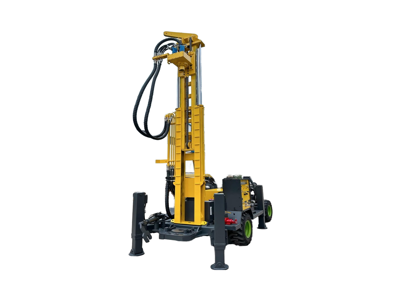
Добро пожаловать в мир передовых технологий, где безопасность и эффективность становятся неотъемлемой частью нефтегазовой индустрии. В этой статье мы глубоко погрузимся в тему надежной защиты скважин, уделяя особое внимание инновационным системам контроля давления. Эти системы не только предотвращают катастрофы, но и повышают продуктивность, сокращают затраты и способствуют устойчивому развитию отрасли. Мы рассмотрим историю развития, современные решения, ключевые преимущества, технические аспекты и будущие перспективы. Приготовьтесь к увлекательному путешествию по миру инженерии и инноваций!
Нефтегазовая отрасль сталкивается с уникальными вызовами, связанными с бурением и эксплуатацией скважин. Одним из критических аспектов является контроль давления, который напрямую влияет на безопасность персонала, окружающей среды и оборудования. Недостаточный контроль может привести к выбросам, взрывам или утечкам, как это произошло в печально известных инцидентах, таких как авария на платформе Deepwater Horizon в 2010 году. Эта катастрофа унесла жизни 11 человек и нанесла непоправимый ущерб экосистеме Мексиканского залива, подчеркнув острую необходимость в усовершенствованных системах безопасности. Сегодня, с развитием технологий, инновационные системы контроля давления предлагают надежные решения для минимизации рисков. Они интегрируют датчики, автоматизацию и анализ данных в реальном времени, обеспечивая проактивный подход к управлению скважинами. В этом разделе мы обсудим основные риски и почему традиционные методы уже не достаточны. Например, старые механические клапаны часто выходят из строя под высоким давлением, тогда как современные электронные системы могут предсказывать и предотвращать проблемы до их возникновения. Это не просто улучшение – это революция в отрасли, которая спасает жизни и ресурсы.
История контроля давления в скважинах насчитывает десятилетия, начиная с простых ручных методов в early 20th century. В 1920-х годах, с ростом добычи нефти, инженеры начали внедрять базовые предохранительные клапаны, но они были ненадежны и требовали постоянного человеческого вмешательства. К 1950-м годам появились первые автоматизированные системы, использующие пневматику и гидравлику, которые slightly improved safety but still had limitations. Переломным моментом стала 1970-е годы, с развитием электроники и компьютеризации. Внедрение PLC (Programmable Logic Controllers) позволило для более точного мониторинга, но лишь в 1990-х, с advent of digital sensors and IoT, системы стали truly innovative. Сегодня мы имеем умные платформы, которые используют artificial intelligence для прогнозирования аномалий давления. Например, система like Schlumberger's PRMS (Pressure Real-time Monitoring System) может анализировать данные from multiple wells simultaneously, reducing response time from hours to seconds. This evolution highlights how necessity drives innovation – each disaster, like the Piper Alpha explosion in 1988, spurred new regulations and technological advances. Looking ahead, the integration of blockchain for data integrity and quantum computing for simulation promises even greater reliability. This journey from rudimentary tools to sophisticated networks demonstrates humanity's relentless pursuit of safety and efficiency.
Современные системы контроля давления состоят из нескольких взаимосвязанных компонентов, каждый из которых играет vital role in ensuring well integrity. First, sensors – high-precision devices that measure pressure, temperature, and flow rates in real-time. Examples include piezoelectric sensors that convert mechanical stress into electrical signals, providing accurate readings even in extreme conditions. Second, control units – typically embedded systems or industrial PCs that process sensor data and execute commands. These units use algorithms based on PID (Proportional-Integral-Derivative) control to maintain optimal pressure levels. Third, actuators – devices like electric or hydraulic valves that adjust pressure based on signals from the control unit. For instance, a fail-safe valve can automatically shut down flow if pressure exceeds safe limits. Fourth, communication networks – wired or wireless systems that transmit data to central monitoring stations. Technologies like 5G and satellite communications enable remote operation in offshore locations. Fifth, software platforms – user interfaces that display data, generate alerts, and allow for manual override. Advanced systems incorporate machine learning to predict failures, such as detecting patterns that precede a blowout. A real-world example is the use of distributed acoustic sensing (DAS) along wellbores, which can detect micro-changes in pressure waves. Together, these components form a robust ecosystem that minimizes human error and maximizes responsiveness. The interoperability between hardware and software is key – for example, a cloud-based dashboard can integrate data from multiple sources, providing a holistic view of well health. This modular approach allows for customization based on well type, depth, and environmental factors, making it adaptable to various scenarios from shallow onshore wells to deepwater drilling.
Внедрение инновационных систем контроля давления приносит множество benefits to the oil and gas industry. Firstly, enhanced safety – by continuously monitoring pressure, these systems prevent blowouts and leaks, protecting workers and the environment. Statistics show that automated systems reduce incident rates by up to 50% compared to manual methods. Secondly, increased efficiency – real-time data allows for optimized drilling and production processes, reducing downtime and increasing yield. For example, predictive maintenance can schedule repairs before failures occur, saving millions in lost production. Thirdly, cost reduction – although initial investment is high, long-term savings from avoided accidents and improved operations are substantial. A study by McKinsey estimated that digital twins in well management can cut costs by 20-30%. Fourthly, regulatory compliance – modern systems help meet stringent safety standards set by bodies like API (American Petroleum Institute) and OSHA, avoiding fines and legal issues. Fifthly, environmental sustainability – by preventing spills, these systems contribute to cleaner operations, aligning with global initiatives like the Paris Agreement. Additionally, they enable remote monitoring, reducing the need for on-site personnel and lowering carbon footprints from travel. Case in point: after implementing advanced pressure control, companies like ExxonMobil reported a significant drop in non-productive time and enhanced public trust. Moreover, these systems support data-driven decision-making, fostering innovation and competitiveness in a volatile market. The psychological impact shouldn't be overlooked – workers feel safer, leading to higher morale and productivity. Overall, the ROI is clear: investing in technology pays off in safety, efficiency, and reputation.
С технической точки зрения, инновационные системы контроля давления rely on cutting-edge engineering principles. Pressure management involves maintaining the balance between formation pressure and hydrostatic pressure from drilling fluids. Key concepts include kick detection – identifying influxes of formation fluids early using rate-of-penetration sensors and mud logging. For instance, a sudden increase in flow-out rate can signal a kick, triggering automatic shut-in procedures. Another aspect is blowout preventer (BOP) systems – critical components that seal the wellbore in emergencies. Modern BOPs are equipped with acoustic controls that can be activated remotely, even if surface equipment is damaged. Materials science plays a role too – corrosion-resistant alloys and composites are used for components exposed to harsh conditions, extending lifespan and reliability. Computational fluid dynamics (CFD) simulations model pressure behavior under different scenarios, aiding in design and testing. Redundancy is built into systems; for example, dual sensors and backup power supplies ensure operation during failures. Cybersecurity is paramount – as systems become connected, protecting against hacking is essential. Encryption and intrusion detection systems safeguard data integrity. Training and human factors are also part of the equation; interfaces are designed for intuitive use, reducing error rates. Real-world applications include managed pressure drilling (MPD), where pressure is precisely controlled to avoid losses or gains, allowing drilling in narrow pressure windows. This technique has revolutionized operations in challenging reservoirs. The integration with other technologies, such as drones for inspection or AR for maintenance, creates a comprehensive safety net. Ultimately, these engineering marvels demonstrate how interdisciplinary collaboration – between mechanical, electrical, and software engineers – leads to robust solutions.
Будущее систем контроля давления looks promising with emerging trends set to redefine the industry. Artificial intelligence and machine learning will dominate, enabling predictive analytics that foresee problems months in advance. For example, AI algorithms can analyze historical data to model pressure fluctuations and recommend preventive measures. Internet of Things (IoT) will expand, with more sensors and devices connected, creating smart well networks that communicate autonomously. Quantum computing could revolutionize simulations, allowing for real-time modeling of complex reservoir behaviors with unprecedented accuracy. Biotechnology might introduce bio-sensors that detect chemical changes related to pressure issues. Sustainability will drive innovation – systems will incorporate renewable energy sources, such as solar-powered sensors, to reduce environmental impact. Digital twins will become standard, providing virtual replicas of wells for testing scenarios without physical risks. Regulatory frameworks will evolve, mandating higher standards and incentivizing adoption through carbon credits or tax breaks. Collaboration between industries will increase; for instance, aerospace technologies like satellite monitoring could be adapted for well surveillance. Personalization will rise – systems tailored to specific geological conditions using big data analytics. The role of humans will shift towards supervision and strategy, as automation handles routine tasks. Challenges include cost barriers and the need for skilled workforce, but initiatives like online training and government grants are addressing these. A visionary example is the concept of fully autonomous wells, operated entirely by AI with minimal human intervention. This not only enhances safety but also opens new frontiers in deep-sea or Arctic drilling. The pace of innovation is accelerating, and those who embrace it will lead the next era of energy exploration.
В заключение, инновационные системы контроля давления являются краеугольным камнем modern oil and gas operations. Они transform safety from reactive to proactive, saving lives, protecting environments, and boosting efficiency. As we've explored, from historical roots to future visions, these systems embody technological progress. The key takeaway is that investment in such technologies is not optional but essential for sustainable growth. Companies must prioritize R&D, collaborate across sectors, and adhere to best practices. For stakeholders – from engineers to policymakers – the message is clear: embrace innovation to build a resilient industry. The journey towards reliable well protection is ongoing, but with continued advancement, we can achieve a future where energy extraction is both safe and responsible. Let's work together to harness these innovations for a better tomorrow.
Название компании:Shijiazhuang Jindi Drilling Machinery Co., Ltd. Адрес:-Lujiazhuang, Jinzhou, Hebei, China Контактные лица: Телефон:
