
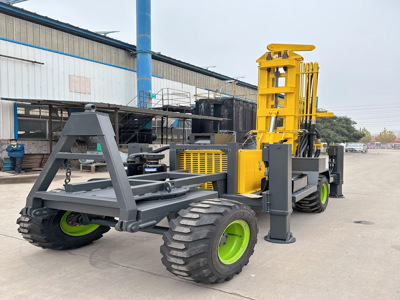
Водоснабжение – это основа жизни и развития человечества. С древних времен люди искали способы добычи воды, и именно бурение скважин стало ключевым методом в этом процессе. Однако традиционные методы бурения часто сталкивались с множеством проблем: низкой эффективностью, высокими затратами и негативным воздействием на окружающую среду. Сегодня, с появлением инновационных буров, мы наблюдаем коренные изменения в ландшафте водоснабжения. Эти технологии не только повышают производительность, но и делают процесс более экологичным и доступным. В этой статье мы подробно рассмотрим, почему инновационные буры для скважин играют столь важную роль в современном мире, и как они формируют будущее глобального водоснабжения.
История бурения скважин насчитывает тысячелетия. Первые упоминания о бурении для добычи воды относятся к древним цивилизациям, таким как Китай и Египет, где использовались простые ручные инструменты. Со временем технологии развивались: в XIX веке появились механические буры, которые значительно ускорили процесс. Однако даже эти advancements были ограничены – они требовали огромных человеческих и финансовых ресурсов, а также часто приводили к загрязнению почвы и водоносных слоев. Например, традиционные роторные буры могли вызывать обрушения стенок скважин и смешивание различных водных горизонтов, что снижало качество воды. Эти недостатки подчеркивали необходимость инноваций, которые бы устранили эти проблемы и сделали бурение более эффективным и безопасным.
Инновационные буры представляют собой качественный скачок в технологии бурения. Они включают в себя такие advancements, как автоматизированные системы, использование композитных материалов, и интеграцию цифровых технологий. Например, современные буры оснащены датчиками и системами GPS, которые позволяют точно определять глубину и местоположение водоносных слоев, минимизируя ошибки и сокращая время бурения. Кроме того, новые материалы, такие как алмазные коронки или керамические компоненты, повышают долговечность инструментов и снижают износ. Это не только экономит ресурсы, но и уменьшает частоту замены оборудования, что в итоге снижает общую стоимость проектов. Важно отметить, что инновационные буры часто разрабатываются с учетом экологических стандартов, например, путем использования биодеградирующих смазочных материалов или систем рециркуляции бурового раствора, что предотвращает загрязнение грунтовых вод.
Одним из ключевых преимуществ инновационных буров является их способность повышать эффективность бурения. Традиционные методы могли занимать недели или даже месяцы для завершения одной скважины, особенно в сложных геологических условиях. С инновационными технологиями, такими как гидравлическое или пневматическое бурение, процесс ускоряется в разы. Например, автоматизированные буровые установки могут работать круглосуточно с минимальным человеческим вмешательством, что сокращает время простоя и увеличивает产出. Это особенно важно в регионах с дефицитом воды, где быстрое развертывание скважин может спасти жизни. Кроме того, повышенная точность этих систем означает, что скважины бурятся именно там, где это наиболее эффективно, уменьшая риск сухих скважин и оптимизируя использование водных ресурсов.
Экологический аспект инновационных буров нельзя переоценить. Традиционное бурение часто сопровождалось значительным environmental impact, включая эрозию почвы, загрязнение водоносных горизонтов химическими добавками, и выбросы углекислого газа от дизельных двигателей. Инновационные буры address these issues through various means. For instance, electric or hybrid drilling rigs reduce carbon emissions, while advanced filtration systems ensure that drilling fluids are recycled and not released into the environment. Moreover, the use of directional drilling techniques allows for minimal surface disturbance, preserving natural landscapes and reducing the footprint of drilling operations. This is crucial in sensitive areas such as protected natural reserves or urban environments, where traditional methods would be impractical or harmful. By mitigating environmental damage, innovative drills contribute to sustainable water management and help combat climate change.
Доступность и экономическая эффективность – еще одни critical factors. Инновационные буры, хотя initially more expensive to develop and deploy, offer long-term savings through reduced operational costs and higher efficiency. For example, the automation of drilling processes lowers labor costs and minimizes errors, leading to fewer project delays and cost overruns. Additionally, the ability to drill deeper and more accurately means that communities can access previously untapped water sources, which is vital for regions facing water scarcity. This democratization of water access is transforming lives, particularly in developing countries where traditional drilling was often unaffordable. Governments and NGOs are increasingly investing in these technologies to improve public health and economic development, as reliable water supply is a cornerstone of agriculture, industry, and daily life.
Looking to the future, the role of innovative drills in water supply will only grow. Emerging technologies such as AI and IoT are being integrated into drilling systems, enabling predictive maintenance and real-time monitoring of water quality. This not only enhances efficiency but also ensures that water resources are managed sustainably. For instance, smart drills can detect changes in aquifer levels and adjust drilling parameters accordingly, preventing over-extraction and depletion. Furthermore, as global water demand increases due to population growth and climate change, innovative drills will be essential in exploring new sources, such as deep groundwater or even desalination via drilling techniques. The continuous innovation in this field promises to make water supply more resilient and adaptive to future challenges.
In conclusion, innovative drills for wells are fundamentally reshaping the landscape of water supply by improving efficiency, reducing environmental impact, and enhancing accessibility. They represent a convergence of technology and sustainability that addresses the pressing issues of our time. As we move forward, it is imperative to continue investing in and adopting these advancements to ensure a secure and equitable water future for all. The transformation brought by innovative drills is not just a technical upgrade; it is a paradigm shift that underscores the importance of innovation in solving global water crises.
To elaborate further, consider the case studies from around the world. In Africa, where water scarcity is a critical issue, organizations like UNICEF have implemented innovative drilling technologies to provide clean water to remote villages. Using portable, solar-powered drills, they have reduced drilling times from weeks to days, significantly cutting costs and improving water access for thousands. Similarly, in arid regions of the Middle East, advanced directional drilling has enabled the tapping of deep aquifers without disturbing the fragile desert ecosystem. These examples highlight how innovative drills are not just theoretical concepts but practical solutions with real-world impact.
Another aspect to consider is the economic multiplier effect. Reliable water supply boosts agriculture, which in turn supports local economies and food security. With innovative drills, farmers can irrigate crops more efficiently, leading to higher yields and reduced water waste. This is particularly relevant in countries like India, where groundwater overuse is a major concern. By using precision drilling technologies, it is possible to monitor and manage extraction rates, promoting sustainable practices. Moreover, the manufacturing and maintenance of innovative drills create jobs and stimulate technological innovation, contributing to economic growth beyond the water sector.
The integration of digital technologies is a game-changer. IoT sensors on drills can transmit data to cloud platforms, allowing for remote monitoring and analysis. This enables proactive maintenance, reducing downtime and extending the lifespan of equipment. For example, if a drill bit shows signs of wear, the system can alert operators before a failure occurs, preventing costly repairs. Additionally, data analytics can optimize drilling patterns based on historical and real-time data, improving success rates and resource allocation. This digital transformation is making water supply systems smarter and more responsive to changing conditions.
Environmental benefits extend beyond reduced pollution. Innovative drills often incorporate features like noise reduction and vibration control, which minimize disturbance to wildlife and nearby communities. This is important in urban areas or near habitats where traditional drilling could cause significant disruption. Furthermore, by enabling the drilling of deeper wells, these technologies can access cleaner water sources that are less susceptible to surface contamination, thus improving water quality and public health. In regions affected by pollution, such as areas with industrial runoff, innovative drills provide a way to bypass contaminated layers and reach pristine aquifers.
The role of policy and regulation cannot be ignored. Governments play a crucial role in promoting the adoption of innovative drills through incentives, standards, and funding. For instance, subsidies for green technologies or mandates for environmental impact assessments can drive the shift towards more sustainable drilling practices. International collaborations, such as those under the UN Sustainable Development Goals, also foster knowledge sharing and capacity building, helping spread these innovations globally. It is essential for policymakers to recognize the value of innovative drills and create frameworks that support their deployment, especially in vulnerable regions.
Education and training are key to maximizing the benefits of innovative drills. As these technologies become more complex, there is a growing need for skilled workers who can operate and maintain them. Vocational programs and partnerships between industry and educational institutions can help build a workforce capable of leveraging these tools effectively. This not only ensures the successful implementation of drilling projects but also empowers local communities to take ownership of their water resources. By investing in human capital, we can create a sustainable cycle of innovation and improvement.
In summary, the transformation brought by innovative drills is multifaceted, touching upon efficiency, ecology, economy, and equity. They are not merely tools but enablers of a better future for water supply. As technology continues to evolve, we can expect even more breakthroughs, such as drills capable of extracting water from unconventional sources like atmospheric moisture or deep-sea drilling for freshwater reservoirs. The possibilities are endless, and the urgency of water crises demands that we embrace these innovations wholeheartedly.
Ultimately, the question of why innovative drills are changing the landscape of water supply is answered by their ability to address the core challenges of our time: scarcity, sustainability, and accessibility. By harnessing the power of innovation, we can ensure that everyone has access to clean, reliable water, paving the way for a healthier and more prosperous world. The journey is ongoing, but with continued effort and collaboration, innovative drills will remain at the forefront of this vital transformation.
Название компании:Shijiazhuang Jindi Drilling Machinery Co., Ltd. Адрес:-Lujiazhuang, Jinzhou, Hebei, China Контактные лица: Телефон:
