
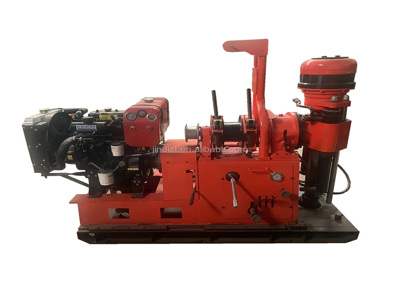
Контроль скважин является критически важным аспектом в нефтегазовой отрасли, обеспечивая безопасность, эффективность и устойчивость добычи ресурсов. Оборудование для контроля скважины включает широкий спектр устройств и систем, предназначенных для мониторинга, управления и оптимизации процессов бурения и эксплуатации. В этой статье мы подробно рассмотрим различные типы такого оборудования, их функции, преимущества и современные тенденции. Мы начнем с общего обзора, затем углубимся в классификации, технические детали, примеры применения и будущие инновации, чтобы предоставить всестороннее понимание темы.
Контроль скважины относится к комплексу мер и технологий, используемых для обеспечения стабильности и безопасности скважины во время бурения, завершения и эксплуатации. Это включает предотвращение выбросов, управление давлением, мониторинг параметров среды и минимизацию рисков. Оборудование играет ключевую роль в этом процессе, автоматизируя задачи и предоставляя данные в реальном времени. Исторически контроль скважины эволюционировал от ручных методов к высокотехнологичным системам, что значительно повысило эффективность и снизило аварийность в отрасли.
Оборудование для контроля скважины можно разделить на несколько категорий based на их функциях и этапах применения. Основные типы включают:
Каждая категория имеет свои подтипы и применения, которые мы рассмотрим подробнее в следующих разделах.
Это фундаментальный тип оборудования, используемый для непрерывного измерения давления и температуры в скважине. Давление является критическим параметром, так как его дисбаланс может привести к выбросам или повреждению оборудования. Типичные устройства включают:
Преимущества такого оборудования включают повышение безопасности, снижение downtime и оптимизацию production. Однако challenges include высокая стоимость и необходимость регулярного обслуживания. Пример применения: в морских буровых установках, где условия extreme, такие системы незаменимы для предотвращения катастроф.
Эти системы designed для экстренного реагирования и предотвращения uncontrolled release of hydrocarbons. Ключевым компонентом является противовыбросовый превентор (BOP), который может mechanical or hydraulic и используется для seal the wellbore. Другие элементы include:
These systems are vital for compliance with safety regulations and have evolved to include redundancy and fail-safes. Case studies, such as the response to the Deepwater Horizon incident, highlight the importance of robust well control equipment. Innovations like dual BOP stacks are now common in high-risk environments.
Data acquisition and telemetry equipment enable real-time monitoring and decision-making. This includes:
Benefits include improved operational efficiency and early detection of issues. Challenges involve data security and integration with existing systems. Applications range onshore to offshore, with trends towards cloud-based solutions for scalability.
Drilling and completion tools are integral to well control, as they are used during construction and maintenance. Examples include:
These tools contribute to long-term stability and are often customized for specific geological conditions. Advances include smart completions that allow remote adjustment of well parameters.
Automation and robotics represent the future of well control, leveraging AI, IoT, and robotics to enhance precision and safety. Key developments include:
These systems offer significant cost savings and improved reliability but require high initial investment and skilled personnel. Examples include autonomous drilling rigs that can operate with minimal human intervention.
The well control equipment industry is rapidly evolving, with trends focusing on sustainability, digitalization, and enhanced safety. Innovations include:
These advancements are driven by regulatory pressures and the need for efficiency in a competitive market. Future directions may involve more integration with renewable energy sources and global standards for interoperability.
В заключение, оборудование для контроля скважины encompasses a diverse range of types, each playing a crucial role in ensuring safety and efficiency in the oil and gas industry. From basic monitoring devices to advanced automated systems, this equipment has evolved to meet the challenges of modern drilling environments. As technology continues to advance, we can expect further innovations that will enhance reliability, reduce costs, and promote sustainability. Investing in and understanding these equipment types is essential for any stakeholder in the sector to mitigate risks and maximize returns.
This article has provided a comprehensive overview, but it is important to note that specific applications may vary based on geological conditions, regulatory requirements, and technological advancements. Continuous learning and adaptation are key to staying ahead in this dynamic field.
Название компании:Shijiazhuang Jindi Drilling Machinery Co., Ltd. Адрес:-Lujiazhuang, Jinzhou, Hebei, China Контактные лица: Телефон:
