
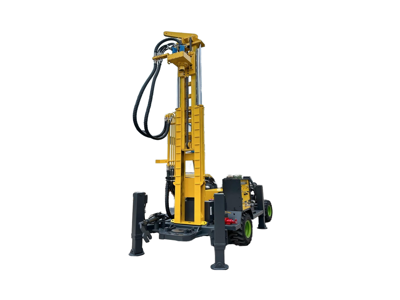
Введение: Буровые навигационные инструменты играют критическую роль в современной нефтегазовой отрасли, обеспечивая точность и эффективность процесса бурения. С ростом спроса на энергию и усложнением геологических условий, эти технологии становятся неотъемлемой частью успешных проектов. В данной статье мы подробно рассмотрим различные аспекты буровых навигационных инструментов, их типы, преимущества, вызовы и будущие тенденции, подчеркивая их значение для повышения общей эффективности бурения.
Буровые навигационные инструменты включают в себя широкий спектр устройств, таких как инклинометры, гироскопы, магнитометры и системы на основе GPS. Инклинометры измеряют угол наклона скважины, что позволяет контролировать направление бурения. Гироскопы обеспечивают высокоточное определение ориентации в пространстве, особенно в условиях, где магнитные помехи могут искажать данные. Магнитометры используются для измерения магнитного поля Земли, помогая в навигации и корректировке траектории бурения. Системы GPS интегрируются с буровым оборудованием для обеспечения точного позиционирования на поверхности, что особенно важно при бурении на морских платформах или в удаленных регионах. Каждый из этих инструментов имеет свои особенности и применяется в зависимости от конкретных условий бурения, таких как глубина, геология и окружающая среда. Например, в глубоководном бурении комбинация гироскопов и акселерометров позволяет достигать высокой точности, несмотря на сложные подводные течения и давления. Развитие микроэлектромеханических систем (MEMS) further enhanced the accuracy and reliability of these tools, making them more compact and energy-efficient. This section will delve into the technical specifications and operational principles of each type, supported by case studies from major oil fields like those in Siberia or the North Sea, where navigation tools have been pivotal in avoiding geological hazards and optimizing well placement. Additionally, we will discuss the integration of these tools with real-time data transmission systems, enabling continuous monitoring and adjustment during drilling operations. The evolution from analog to digital navigation tools has revolutionized the industry, reducing human error and increasing the speed of decision-making. As we move forward, the adoption of artificial intelligence and machine learning in navigation systems promises even greater efficiencies, but this requires ongoing investment in research and development. In summary, understanding the diversity and capabilities of буровые навигационные инструменты is essential for any drilling professional aiming to maximize productivity and minimize risks.
Использование буровых навигационных инструментов приносит numerous benefits, including increased accuracy, reduced non-productive time, and enhanced safety. Accuracy is paramount in drilling, as even small deviations can lead to missed targets or collisions with existing wells. Navigation tools provide real-time data on the wellbore trajectory, allowing operators to make precise adjustments and ensure that the drill bit reaches the intended reservoir zone. This minimizes the risk of drilling into non-productive formations or causing environmental damage, such as groundwater contamination. Reduced non-productive time is another significant advantage; by avoiding errors and re-drilling, companies can save millions of dollars in operational costs. For instance, in the Arctic regions, where drilling conditions are extreme, navigation tools help in maintaining steady progress despite ice and permafrost challenges. Enhanced safety is achieved through better control over the drilling process, reducing the likelihood of accidents like blowouts or equipment failures. Moreover, these tools facilitate compliance with regulatory standards, which often mandate precise well placement to prevent cross-contamination between reservoirs. The economic impact is substantial; studies show that the integration of advanced navigation systems can improve overall drilling efficiency by up to 20%, leading to faster project completion and higher returns on investment. Environmental benefits also arise, as accurate drilling reduces the footprint of operations and minimizes disturbance to ecosystems. In deepwater drilling, navigation tools are indispensable for managing the complexities of high pressures and temperatures, ensuring that operations remain within safe limits. Furthermore, the data collected from these instruments can be used for post-drilling analysis, helping to refine future projects and share best practices across the industry. As technology advances, the benefits are expected to grow, with innovations like autonomous drilling rigs that rely entirely on navigation systems for operation. However, it is important to address the initial costs and training requirements associated with these tools, which can be barriers for smaller companies. Overall, the advantages make a compelling case for widespread adoption of буровые навигационные инструменты in modern drilling practices.
Буровые навигационные инструменты оказывают profound impact on drilling efficiency and industry metrics. Efficiency in drilling is measured by factors such as rate of penetration (ROP), well placement accuracy, and overall project timeline. Navigation tools directly contribute to improvements in these areas by enabling continuous monitoring and optimization. For example, accurate trajectory control allows for faster drilling speeds, as operators can avoid obstacles and maintain optimal angles, reducing the need for corrective actions. This leads to higher ROP and shorter well construction times. In terms of well placement, precision navigation ensures that reservoirs are tapped effectively, maximizing hydrocarbon recovery and extending the life of fields. Industry-wide, this has led to a shift towards more data-driven operations, where real-time analytics from navigation tools inform decision-making at every stage. Key performance indicators (KPIs) such as cost per barrel, non-productive time ratio, and safety incident rates have shown significant improvement in companies that fully embrace these technologies. Case in point: in the Permian Basin, the use of advanced navigation systems has contributed to a surge in production efficiency, with some operators reporting a 15% increase in output due to better well targeting. Additionally, navigation tools support the trend towards extended-reach drilling (ERD), where wells are drilled horizontally over long distances to access multiple reservoirs from a single location. This not only boosts efficiency but also reduces surface disturbance and environmental impact. The integration with other digital technologies, such as IoT sensors and cloud computing, further amplifies these benefits by providing a holistic view of operations. However, challenges remain, including the need for standardized data formats and interoperability between different tool manufacturers. Despite this, the overall impact on industry efficiency is undeniable, with navigation tools becoming a cornerstone of modern drilling strategies. Looking ahead, as the world transitions towards renewable energy, these tools will continue to play a role in geothermal drilling and carbon capture projects, demonstrating their versatility and long-term value. In conclusion, the influence of буровые навигационные инструменты on drilling efficiency is multifaceted and essential for sustaining competitiveness in the global energy market.
Несмотря на numerous advantages, the application of буровые навигационные инструменты faces several challenges and limitations. Technical challenges include issues with accuracy in extreme environments, such as high temperatures, pressures, or magnetic interference. For instance, in regions with high iron content in the rock, magnetometer-based tools may produce erroneous readings, leading to trajectory errors. Similarly, in deepwater settings, the pressure can affect sensor performance, requiring robust design and calibration. Cost is another significant barrier; high-end navigation systems can be expensive to purchase, install, and maintain, which may deter smaller operators or projects with tight budgets. The initial investment includes not only the hardware but also the software for data processing and the training of personnel to interpret the data correctly. Operational challenges involve the integration of these tools with existing drilling equipment and workflows. In some cases, legacy systems may not be compatible with modern navigation technologies, necessitating costly upgrades. Human factors also play a role; there is a learning curve associated with using these tools effectively, and errors in data interpretation can still occur if operators lack experience. Regulatory hurdles can slow adoption, as different regions have varying standards for well placement and data reporting. For example, in environmentally sensitive areas, strict regulations may require additional verification steps, adding time and complexity to operations. Cybersecurity risks are an emerging concern, as navigation systems increasingly rely on digital connectivity, making them vulnerable to hacking or data breaches. This could lead to operational disruptions or safety incidents. Moreover, the reliance on technology can sometimes reduce situational awareness among crew members, if they become over-dependent on automated systems. To address these challenges, industry stakeholders are investing in R&D to develop more resilient and affordable tools, as well as in training programs to enhance skills. Collaboration between companies and standardization efforts can help mitigate interoperability issues. Despite these obstacles, the benefits often outweigh the drawbacks, but it is crucial to approach implementation with a clear strategy and risk management plan. This section will explore these challenges in depth, providing examples from real-world scenarios and discussing potential solutions to ensure that navigation tools are used to their full potential without compromising safety or efficiency.
Будущее буровых навигационных инструментов promises exciting innovations and trends that will further enhance drilling efficiency. One major trend is the integration of artificial intelligence (AI) and machine learning (ML) into navigation systems. AI algorithms can analyze vast amounts of data from sensors in real-time, predicting potential issues such as tool failure or geological anomalies, and suggesting corrective actions autonomously. This leads to smarter, more adaptive drilling processes that require less human intervention. For example, AI-powered systems can optimize well trajectories based on historical data and real-time conditions, improving accuracy and reducing costs. Another innovation is the development of quantum sensors, which offer unprecedented precision in measuring orientation and position, even in challenging environments. These sensors are still in the experimental stage but hold great potential for future applications. The Internet of Things (IoT) is also transforming navigation tools by enabling seamless connectivity between devices, allowing for continuous data exchange and remote monitoring. This is particularly valuable for offshore drilling, where operations are often conducted in remote locations. Additionally, there is a growing focus on sustainability, with navigation tools being used to minimize environmental impact through precise drilling that avoids sensitive areas. Renewable energy projects, such as geothermal drilling, are adopting these technologies to improve efficiency and reduce risks. Augmented reality (AR) and virtual reality (VR) are emerging as tools for training and simulation, helping operators visualize well paths and practice navigation in a virtual environment before actual drilling. Furthermore, the trend towards digital twins—virtual replicas of physical assets—allows for real-time simulation and optimization of drilling operations based on navigation data. This can lead to better planning and execution of projects. However, these advancements come with challenges, such as the need for robust data security and ethical considerations around automation. The industry must also address the skills gap, as new technologies require specialized knowledge. Collaboration between oil companies, technology providers, and academic institutions will be key to driving innovation. In the long term, as the world moves towards energy transition, navigation tools may find applications in new areas like hydrogen storage or carbon capture, demonstrating their adaptability. This section will delve into these future trends, providing insights into how они will shape the next generation of буровые навигационные инструменты and their role in achieving even higher levels of drilling efficiency.
В заключение, буровые навигационные инструменты являются indispensable for modern drilling operations, offering significant improvements in accuracy, efficiency, and safety. From basic inclinometers to advanced AI-integrated systems, these tools have evolved to meet the demands of complex geological and environmental conditions. The benefits are clear: reduced costs, enhanced productivity, and better environmental stewardship. However, challenges such as high costs, technical limitations, and the need for skilled personnel must be addressed through continuous innovation and collaboration. Looking ahead, emerging technologies like AI, quantum sensors, and IoT will further revolutionize the field, paving the way for autonomous drilling and greater sustainability. As the energy industry navigates the transition to a low-carbon future, these tools will remain a key enabler of efficient and responsible resource extraction. It is imperative for stakeholders to invest in and adopt these technologies to stay competitive and meet global energy needs. ultimately, буровые навигационные инструменты are not just a tool but a strategic asset that unlocks the full potential of drilling projects worldwide.
Название компании:Shijiazhuang Jindi Drilling Machinery Co., Ltd. Адрес:-Lujiazhuang, Jinzhou, Hebei, China Контактные лица: Телефон:
