
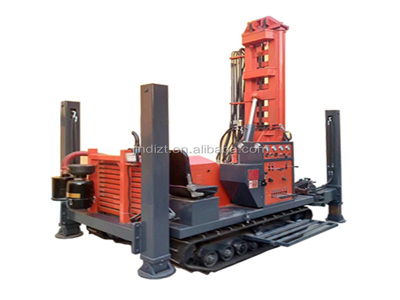
Добывающая отрасль, особенно нефтегазовый сектор, является основой мировой экономики, обеспечивая энергией и сырьем множество отраслей. В этом контексте ключевую роль играет оператор буровой установки – специалист, от квалификации и опыта которого напрямую зависят эффективность, безопасность и рентабельность добывающих операций. В данной статье мы детально рассмотрим, почему опытный оператор буровой установки является незаменимым звеном в цепочке успеха добывающей отрасли, анализируя аспекты профессиональной подготовки, технологической интеграции, управления рисками и будущих тенденций.
Добывающая отрасль охватывает добычу полезных ископаемых, таких как нефть, газ, уголь и руды, и составляет значительную долю ВВП многих стран. Например, в России нефтегазовый сектор обеспечивает около 15-20% ВВП и является major source of export revenue. Бурение – это начальный и критически важный этап добычи, где оператор буровой установки управляет complex equipment to extract resources from the earth. Его responsibilities include monitoring drilling parameters, ensuring equipment functionality, and responding to emergencies. Опытный оператор not only enhances productivity but also minimizes risks, such as blowouts or environmental damage, which can have catastrophic consequences. Thus, investing in skilled operators is not just a operational necessity but a strategic imperative for the industry's sustainability.
Чтобы стать компетентным оператором буровой установки, требуется extensive training and education. Typically, candidates need a secondary education with a focus on technical disciplines, followed by vocational training or higher education in fields like petroleum engineering or mechanical engineering. Key skills include understanding geology, hydraulics, and electronics, as well as proficiency in operating computerized drilling systems. Practical experience is crucial; many operators start as roughnecks or assistants to gain hands-on knowledge. Certification programs, such as those offered by the International Association of Drilling Contractors (IADC), provide standardized training in safety and operations. For instance, the IADC WellSharp program covers well control techniques, which are vital for preventing accidents. An experienced operator often has years of field experience, enabling them to make quick decisions under pressure. This expertise reduces downtime and improves overall efficiency, as they can anticipate issues like equipment failure or formation changes. Moreover, continuous professional development through workshops and simulations keeps operators updated with the latest technologies and best practices.
Современные буровые установки оснащены advanced technologies, such as automated drilling systems, real-time data monitoring, and IoT sensors, which require operators to have strong technical aptitude. For example, directional drilling allows for precise extraction from multiple angles, increasing yield from a single well. An experienced operator can interpret data from sensors to adjust drilling parameters, optimizing the process for maximum efficiency and minimal environmental impact. Innovations like managed pressure drilling (MPD) help control wellbore pressure, reducing the risk of kicks and blowouts. However, technology alone is not sufficient; it is the human element – the operator's ability to integrate and respond to technological inputs – that drives success. Case studies show that companies with highly trained operators achieve higher drilling rates and lower accident rates. For instance, in the North Sea operations, skilled operators have contributed to a 20% increase in drilling efficiency over the past decade. Thus, the synergy between human expertise and technological advancement is essential for the industry's progress.
Безопасность является paramount in the drilling industry due to the high-risk environment involving high pressures, flammable materials, and remote locations. An experienced operator plays a critical role in risk management by conducting pre-drill inspections, adhering to safety protocols, and leading emergency responses. They are trained to identify hazards, such as gas leaks or equipment malfunctions, and take preventive measures. Statistics from organizations like the Occupational Safety and Health Administration (OSHA) indicate that wells operated by seasoned professionals have significantly fewer incidents. For example, the Deepwater Horizon disaster in 2010 highlighted the consequences of inadequate operator training and oversight; since then, industry standards have tightened, emphasizing the need for experienced personnel. Regular safety drills, compliance with regulations like API standards, and a culture of safety fostered by skilled operators contribute to reducing fatalities and environmental damages. Ultimately, an experienced operator not only protects lives and assets but also enhances the company's reputation and regulatory compliance.
Инвестиции в опытных операторов directly translate to economic benefits for drilling companies. Skilled operators reduce non-productive time (NPT) by quickly resolving issues, such as stuck pipe or tool failures, which can cost thousands of dollars per hour. They also optimize drilling parameters to conserve resources, like mud and energy, lowering operational costs. Studies show that a well-trained operator can improve drilling efficiency by up to 30%, leading to faster project completion and earlier revenue generation. Additionally, their ability to prevent accidents avoids costly cleanups, fines, and litigation. For instance, a major oil company reported saving millions annually by upgrading operator training programs. Furthermore, experienced operators contribute to better resource estimation and extraction rates, maximizing the return on investment for exploration projects. In a competitive market, companies that prioritize operator expertise gain a strategic edge, attracting investors and partners due to demonstrated reliability and efficiency.
Карьера оператора буровой установки offers lucrative opportunities for growth, with potential to advance to roles like driller, toolpusher, or even management positions. The demand for skilled operators is high, especially in regions with active drilling activities, such as the Middle East, North America, and Russia. Companies often provide training programs and incentives to retain talent, recognizing that employee development is key to long-term success. For example, many firms offer scholarships for further education or certifications, fostering a pipeline of qualified professionals. An experienced operator can also mentor newcomers, passing on valuable knowledge and ensuring continuity in operations. This not only benefits the individual's career but also strengthens the overall workforce capability. Moreover, with the industry's shift towards sustainable practices, operators are increasingly involved in projects related to renewable energy integration, such as geothermal drilling, expanding their skill sets and job prospects.
Добывающая отрасль faces evolving challenges, including environmental concerns, regulatory changes, and the transition to cleaner energy sources. Experienced operators will be crucial in adapting to these trends. For instance, as the industry moves towards digitalization and automation, operators need to upskill in areas like data analytics and remote operation of drones or robots. Environmental regulations require stricter compliance, and skilled operators can implement best practices for reduced emissions and waste management. Additionally, the aging workforce in many regions necessitates focused efforts on training the next generation. Initiatives like virtual reality simulations and online training platforms are emerging to enhance learning. The future will likely see a greater emphasis on sustainability, where operators play a role in ensuring responsible resource extraction. By embracing innovation and continuous learning, experienced operators can lead the industry towards a more efficient and environmentally conscious future.
В заключение, опытный оператор буровой установки является indispensable for the success of the extracting industry. Their expertise enhances safety, efficiency, and profitability, while also addressing future challenges. Companies must prioritize investment in training, technology integration, and career development to cultivate a skilled workforce. As the industry evolves, the role of the operator will only grow in importance, making it essential to recognize and nurture this critical profession. By doing so, the extracting industry can ensure sustainable growth and continue to be a pillar of the global economy.
Для дополнительной информации, обратитесь к отраслевым публикациям или профессиональным ассоциациям, таким как IADC или SPE.
Название компании:Shijiazhuang Jindi Drilling Machinery Co., Ltd. Адрес:-Lujiazhuang, Jinzhou, Hebei, China Контактные лица: Телефон:
