
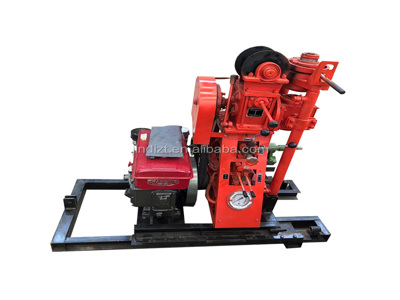
В современной промышленности перекачка шлама является критически важным процессом, который требует надежного и эффективного оборудования. Шлам, представляющий собой смесь твердых частиц и жидкости, часто встречается в таких отраслях, как горнодобывающая промышленность, химическая обработка, строительство и очистка сточных вод. Традиционные насосы, хотя и использовались десятилетиями, часто сталкиваются с проблемами износа, низкой производительности и высоких эксплуатационных затрат. Однако с развитием технологий современные насосы предлагают инновационные решения, которые преодолевают эти ограничения. В этой статье мы подробно рассмотрим, почему промышленные предприятия все чаще выбирают современные насосы для перекачки шлама, анализируя их ключевые преимущества, включая повышенную эффективность, улучшенную надежность, экологическую безопасность и значительную экономию затрат. Мы также обсудим различные типы современных насосов, их применение в реальных условиях и будущие тенденции в этой области, предоставляя читателям всестороннее понимание того, как эти устройства могут оптимизировать промышленные процессы.
Перекачка шлама – это процесс транспортировки суспензии, состоящей из твердых частиц, взвешенных в жидкости, через трубопроводы или другие системы. Этот процесс широко применяется в многочисленных отраслях, где обработка абразивных или коррозионных материалов является неотъемлемой частью производства. Например, в горнодобывающей промышленности шлам образуется при добыче полезных ископаемых и требует эффективной перекачки для обработки руды и удаления отходов. В химической промышленности шламы могут содержать агрессивные химические вещества, которые необходимо безопасно перемещать между этапами производства. Строительная отрасль использует перекачку шлама для управления буровыми растворами и отходами, в то время как системы очистки сточных вод rely on slurry pumping to handle sludge and sediments. Исторически для этих задач использовались простые центробежные насосы или поршневые насосы, но они часто страдали от быстрого износа due to the abrasive nature of slurries, leading to frequent maintenance, downtime, and high operational costs. Moreover, traditional pumps were not always energy-efficient, contributing to environmental concerns such as increased carbon emissions. The evolution of pumping technology has addressed these issues through innovations in materials, design, and control systems. Modern slurry pumps are engineered to handle challenging conditions with greater efficiency and durability. They incorporate advanced features like wear-resistant materials (e.g., high-chrome iron, polyurethane linings), optimized impeller designs for reduced cavitation, and smart monitoring systems that predict maintenance needs. These improvements not only enhance performance but also align with global trends towards sustainability and automation. As industries face growing pressure to reduce costs and minimize environmental impact, the adoption of modern slurry pumps becomes increasingly compelling. This article delves into the reasons behind this shift, exploring how contemporary pumps outperform their predecessors and why they are the preferred choice for forward-thinking enterprises. By understanding these advantages, businesses can make informed decisions that boost productivity, ensure regulatory compliance, and foster long-term growth.
Современные насосы для перекачки шлама предлагают множество преимуществ по сравнению с устаревшими моделями, что делает их незаменимыми в苛刻 industrial environments. One of the primary advantages is their enhanced efficiency. Thanks to computational fluid dynamics (CFD) and advanced manufacturing techniques, modern pumps are designed to minimize energy consumption while maximizing flow rates and head pressures. For instance, impellers with optimized geometries reduce hydraulic losses and cavitation, which are common causes of inefficiency in slurry pumping. This results in lower electricity bills and a smaller carbon footprint, contributing to both economic and environmental sustainability. Studies have shown that upgrading to a modern slurry pump can reduce energy usage by up to 20-30%, depending on the application. Another significant benefit is improved reliability and durability. Slurries are inherently abrasive and can cause rapid wear on pump components. Modern pumps address this through the use of superior materials such as hardened metals, ceramics, or elastomers that resist erosion and corrosion. For example, pumps lined with polyurethane or equipped with silicon carbide seals can last several times longer than those made from standard materials. Additionally, features like easy-access design for maintenance and modular components allow for quick replacements, minimizing downtime. In industries where continuous operation is critical, such as mining or water treatment, this reliability translates to higher uptime and reduced risk of production delays. Furthermore, modern pumps incorporate smart technologies for predictive maintenance. Sensors monitor parameters like vibration, temperature, and pressure, sending alerts before failures occur. This proactive approach prevents unexpected breakdowns and extends the equipment's lifespan. Environmental benefits are also a key driver for adoption. Modern slurry pumps are designed to leak less and handle hazardous materials more safely, reducing the risk of spills and contamination. Moreover, their energy efficiency aligns with regulations aimed at lowering emissions. Finally, economic advantages cannot be overlooked. While the initial investment in a modern pump may be higher, the total cost of ownership is often lower due to savings on energy, maintenance, and replacement parts. Case studies from various industries demonstrate ROI within a few years, making modern pumps a wise long-term investment. In summary, the combination of efficiency, durability, smart features, environmental friendliness, and cost savings makes modern slurry pumps a superior choice for any operation involving slurry handling.
Современные насосы для перекачки шлама come in various types, each tailored to specific applications and operational conditions. Understanding these types is crucial for selecting the right pump for a given task. The most common categories include centrifugal pumps, positive displacement pumps, and specialized designs like submersible or vertical pumps. Centrifugal pumps are widely used due to their simplicity and ability to handle high flow rates. In modern iterations, they feature wear-resistant materials and advanced impeller designs to cope with abrasive slurries. For example, in the mining industry, centrifugal pumps are employed for tailings disposal and ore transport, where they benefit from innovations like recessed impellers that reduce clogging and wear. Positive displacement pumps, such as diaphragm or piston pumps, are preferred for applications requiring high pressure and precise flow control, even with viscous or solid-laden slurries. These pumps excel in chemical processing or wastewater treatment, where they can handle aggressive fluids without degradation. Modern positive displacement pumps often include automated controls and materials like PTFE or stainless steel for enhanced corrosion resistance. Submersible slurry pumps are designed for underwater operation, making them ideal for dredging, sump pumping, or marine applications. They are built with robust seals and motors to prevent water ingress, and contemporary models incorporate variable frequency drives (VFDs) for energy savings and flow adjustment. Vertical slurry pumps are another variant, used in situations where space is limited or for pumping from deep sumps. They minimize footprint while offering easy maintenance access. Beyond these basic types, there are hybrid and custom-designed pumps that integrate multiple technologies. For instance, some modern pumps combine centrifugal action with jet assist to improve suction capabilities. Applications span across industries: in construction, modern slurry pumps handle dewatering and concrete pumping; in agriculture, they manage fertilizer slurries; and in energy sectors, they are used for fracking fluids or ash handling. The choice of pump depends on factors like slurry composition (e.g., particle size, concentration), flow requirements, and environmental conditions. Modern pumps often come with digital interfaces for remote monitoring and control, allowing operators to optimize performance in real-time. This versatility and adaptability make them suitable for a wide range of scenarios, from small-scale operations to large industrial plants. By selecting the appropriate type, businesses can achieve optimal efficiency and reliability in their slurry pumping processes.
Инновации являются driving force behind the superiority of modern slurry pumps, enabling them to outperform traditional equipment in every aspect. One of the most significant advancements is in materials science. Engineers have developed alloys and composites that offer exceptional resistance to abrasion and corrosion. For example, high-chrome white iron (HCWI) is commonly used for impellers and liners due to its hardness and durability, capable of withstanding the punishing effects of abrasive slurries for extended periods. Polymer-based materials, such as polyurethane or rubber, provide flexibility and resilience, reducing the impact of particle impingement. These materials are often applied through advanced coating techniques like thermal spray or cladding, which enhance surface properties without compromising the structural integrity of the pump. Another key innovation is in design optimization. Using computational fluid dynamics (CFD), manufacturers can simulate fluid flow within the pump to identify and mitigate issues like turbulence, cavitation, and wear hotspots. This leads to impellers and volutes that are aerodynamically efficient, minimizing energy loss and maximizing slurry transport capacity. For instance, non-clog impellers with large passages prevent blockages when handling slurries with high solid content. Smart technology integration is also revolutionizing slurry pumping. Internet of Things (IoT) sensors embedded in pumps collect data on performance metrics such as vibration, temperature, pressure, and flow rate. This data is transmitted to cloud-based platforms where machine learning algorithms analyze it to predict maintenance needs, detect anomalies, and optimize operation. Predictive maintenance alerts operators to potential failures before they occur, reducing unplanned downtime and repair costs. Additionally, variable frequency drives (VFDs) allow for precise control of pump speed, matching output to demand and saving energy. In remote or hazardous environments, automation enables unmanned operation, enhancing safety. Energy efficiency is another area of innovation. Modern pumps are designed to meet international standards like ISO or ANSI for efficiency, often incorporating features like improved sealing systems that reduce leakage and energy loss. Some pumps even harness renewable energy sources, such as solar-powered units for off-grid applications. Furthermore, environmental innovations focus on reducing the ecological impact of pumping operations. For example, seals and containment systems prevent leaks of hazardous slurries, while noise reduction technologies minimize acoustic pollution. These technological advancements not only boost performance but also support sustainable industrial practices, making modern slurry pumps a cornerstone of modern infrastructure.
Выбор современных насосов для перекачки шлама is not merely a technical decision but also an economic and environmental imperative. From an economic perspective, the initial cost of a modern pump may be higher than that of a traditional model, but this investment is quickly offset by long-term savings. Energy efficiency is a major contributor to cost reduction. Modern pumps, with their optimized designs and smart controls, consume less electricity. For example, a study in the mining industry showed that upgrading to energy-efficient slurry pumps reduced power consumption by 25%, leading to annual savings of thousands of dollars per pump. Maintenance costs are also significantly lower. The use of durable materials means fewer replacements and repairs. Predictive maintenance technologies further cut costs by preventing catastrophic failures and extending equipment life. Downtime, which can be extremely costly in continuous operations, is minimized through reliable performance and easy maintenance features. In many cases, the return on investment (ROI) for a modern slurry pump is achieved within 2-3 years, making it a financially sound choice. Additionally, modern pumps often come with warranties and support services that enhance their value. From an environmental standpoint, the adoption of modern slurry pumps supports sustainability goals. reduced energy consumption directly translates to lower greenhouse gas emissions, helping companies comply with regulations and reduce their carbon footprint. For instance, in regions with strict environmental laws, using efficient pumps can avoid penalties and enhance corporate reputation. leak prevention features, such as advanced sealing systems, minimize the risk of spills that could contaminant soil and water sources. This is particularly important in industries like chemicals or mining, where slurries may contain toxic substances. noise reduction technologies contribute to a better working environment and reduce noise pollution in surrounding communities. Moreover, the longevity of modern pumps means less frequent manufacturing and disposal of equipment, reducing waste and resource consumption. Life cycle assessments (LCA) of modern slurry pumps often show a lower environmental impact compared to traditional pumps when considering entire product life from production to disposal. Companies that prioritize environmental responsibility can leverage these benefits in their marketing and corporate social responsibility (CSR) reports, attracting environmentally conscious customers and investors. In summary, the economic advantages of lower operational costs and the environmental benefits of reduced emissions and risk make modern slurry pumps a wise choice for any business aiming for efficiency and sustainability. By investing in modern technology, industries can achieve a competitive edge while contributing to a greener future.
Чтобы illustrate the real-world benefits of modern slurry pumps, consider several case studies from different industries. In the mining sector, a large copper mine in Chile faced frequent downtime and high maintenance costs due to abrasive slurries damaging their traditional pumps. After switching to modern centrifugal pumps with high-chrome iron components and IoT sensors, they reported a 40% reduction in maintenance incidents and a 30% decrease in energy consumption. The predictive maintenance system alerted operators to wear before failures, allowing planned repairs during scheduled shutdowns, which increased overall productivity by 15%. Another example comes from the wastewater treatment industry. A municipal plant in Germany upgraded their sludge handling pumps to modern positive displacement models with corrosion-resistant materials. This eliminated leaks and reduced odor issues, improving community relations. The new pumps also cut energy use by 20% through efficient motor designs and VFD controls, saving the city approximately €50,000 annually in operational costs. In construction, a project involving tunnel boring used modern submersible slurry pumps to manage excavation debris. These pumps, equipped with non-clog impellers and remote monitoring, handled high-solid slurries without blockages, keeping the project on schedule and avoiding delays that could have cost millions. The ability to operate underwater without maintenance for extended periods was a key advantage. In the chemical industry, a plant processing abrasive catalysts adopted modern lined pumps with polyurethane interiors. This change extended pump life from 6 months to over 2 years, drastically reducing replacement costs and minimizing exposure to hazardous materials during maintenance. These examples demonstrate that across various applications, modern slurry pumps deliver tangible improvements in reliability, efficiency, and cost savings. They highlight how technological advancements translate into practical benefits, reinforcing why industries are increasingly making the switch. By learning from these successes, other businesses can confidently invest in modern pumping solutions to enhance their operations.
Будущее технологии перекачки шлама promises even greater advancements, driven by ongoing research and evolving industrial needs. One emerging trend is the integration of artificial intelligence (AI) and machine learning for ultra-precise control and optimization. AI algorithms can analyze vast datasets from pump sensors to not only predict maintenance but also dynamically adjust pumping parameters in real-time based on slurry characteristics and external conditions. For example, AI could automatically vary pump speed to compensate for changes in slurry viscosity or solid content, maximizing efficiency without human intervention. Another trend is the development of more sustainable materials. Researchers are exploring biodegradable composites or recycled metals for pump components, reducing the environmental impact of manufacturing and disposal. Additionally, pumps designed for circular economy principles, where parts are easily recyclable or refurbishable, are gaining traction. Energy harvesting technologies, such as capturing kinetic energy from slurry flow to power sensors or small devices, could further enhance efficiency. The adoption of digital twins is also on the rise. A digital twin is a virtual replica of a physical pump that simulates its behavior under various conditions. This allows for testing and optimization without risking actual equipment, leading to better designs and operational strategies. In terms of application, there is a growing focus on modular and scalable pump systems that can be quickly deployed in remote or temporary settings, such as disaster response or mobile mining operations. Automation will continue to advance, with fully autonomous pumping stations becoming commonplace, reducing labor costs and improving safety in hazardous environments. Furthermore, as global regulations on emissions and waste tighten, pumps will increasingly incorporate features for zero leakage and minimal energy use, possibly integrating with renewable energy sources like solar or wind. Collaboration between industries and academia will spur innovations, such as pumps capable of handling extreme conditions like high temperatures or pressures in emerging fields like deep-sea mining or space exploration. In summary, the future of slurry pumping technology is bright, with trends pointing towards smarter, greener, and more adaptable solutions that will further solidify the role of modern pumps in industrial efficiency and sustainability.
В заключение, выбор современных насосов для перекачки шлама является стратегическим решением для任何 industry dealing with abrasive or corrosive slurries. Their superior efficiency, reliability, and environmental benefits make them a clear upgrade over traditional pumps. By reducing energy consumption, minimizing maintenance needs, and preventing operational disruptions, modern pumps offer significant economic advantages that quickly outweigh initial costs. The integration of smart technologies and durable materials ensures long-term performance and adaptability to various applications, from mining and construction to wastewater treatment and chemical processing. Moreover, as industries worldwide move towards sustainability and automation, modern slurry pumps align perfectly with these goals, helping companies reduce their carbon footprint and enhance safety. case studies from real-world scenarios demonstrate tangible improvements in productivity and cost savings, reinforcing the value of this technology. Looking ahead, ongoing innovations will only enhance these benefits, making modern pumps an even more compelling choice. Therefore, for any business seeking to optimize its slurry handling processes, investing in modern pumping solutions is not just a wise decision but a necessary step towards future-proofing operations and achieving competitive excellence. Embrace the change and reap the rewards of advanced technology in slurry pumping.
Название компании:Shijiazhuang Jindi Drilling Machinery Co., Ltd. Адрес:-Lujiazhuang, Jinzhou, Hebei, China Контактные лица: Телефон:
