
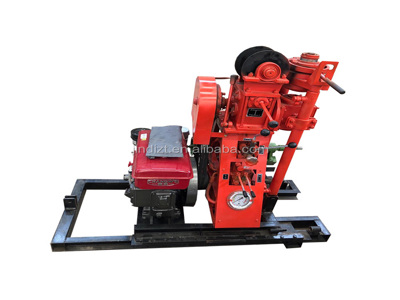
Вы когда-нибудь задумывались, как современная индустрия бурения справляется с растущими вызовами? С ростом спроса на энергоресурсы и усилением экологических норм, традиционные методы бурения становятся все менее эффективными. Но что, если существует технология, которая может все изменить? Эта статья исследует сенсационную инновацию, обещающую революцию в бурении — от повышения производительности до минимизации экологического следа. Мы зададим ключевые вопросы: Как она работает? Почему она лучше существующих методов? И главное, готова ли индустрия к таким переменам?
Новая технология, известная как "Квантовое бурение", использует передовые лазерные системы и искусственный интеллект для точного и быстрого проникновения в земные недра. В отличие от традиционного механического бурения, которое relies on physical drill bits, this method employs high-energy lasers to vaporize rock formations, while AI algorithms optimize the process in real-time. But how does it achieve such precision? The system integrates sensors that monitor geological conditions, adjusting parameters like laser intensity and angle to avoid obstacles and maximize efficiency. Isn't it astounding that we can now drill with minimal physical contact? This reduces wear and tear on equipment and allows for deeper, more complex well designs. However, questions remain: What are the energy requirements? How does it handle different rock types? And is it scalable for large-scale operations?
Compared to conventional drilling, which often involves noisy, slow, and environmentally damaging processes, Quantum Drilling offers silent, rapid, and clean extraction. Traditional methods can take weeks to complete a well, with high risks of spills and accidents. In contrast, this new technology claims to reduce drilling time by up to 50% and cut environmental impact by minimizing soil disturbance and water usage. But is it really that much better? Studies show that laser-based drilling produces less waste and lower emissions, but critics argue about the initial costs and technological maturity. Why should industries invest in this now? The answer lies in long-term savings and regulatory pressures. With governments pushing for greener practices, adopting such innovations could be not just beneficial but necessary. Yet, we must ask: Are there any hidden drawbacks? For instance, does the high energy consumption of lasers offset the environmental benefits?
The adoption of this technology could reshape the entire energy sector. By making drilling faster and cheaper, it might lower the cost of oil and gas extraction, potentially stabilizing prices in volatile markets. Moreover, it could open up previously inaccessible reserves, such as those in deepwater or Arctic regions, boosting global energy supplies. But what about job markets? Automation in drilling might reduce the need for human labor, leading to workforce displacements. How can industries balance efficiency with social responsibility? Additionally, this innovation could spur growth in related sectors, like manufacturing of laser equipment and AI software, creating new opportunities. However, economic analysts question whether the high R&D investments will pay off quickly. Is the world ready for such a shift, or will it lead to market disruptions?
Environmental concerns are at the forefront of modern drilling debates. Quantum Drilling boasts a significantly smaller ecological footprint by reducing land disruption, water contamination, and greenhouse gas emissions. For example, it eliminates the need for large amounts of drilling mud, which can pollute groundwater. But is it truly sustainable? Critics point out that the lasers require substantial electricity, which might come from fossil fuels, negating some benefits. Furthermore, the technology's ability to prevent blowouts and leaks could enhance safety, but what about long-term effects on ecosystems? Regulatory bodies are already evaluating these aspects, but the question remains: Can this technology help achieve global climate goals, or is it just a temporary fix?
Despite its promises, several challenges hinder widespread adoption. The high initial cost of equipment and the need for specialized training could be barriers for smaller companies. Technological limitations, such as the inability to handle extremely hard rocks or deep-sea conditions without modifications, also pose risks. Moreover, regulatory approvals and public acceptance are crucial; communities might resist new technologies due to unfamiliarity or fear of unintended consequences. Why hasn't it been deployed everywhere yet? Pilot projects are underway, but scalability issues and interoperability with existing infrastructure need addressing. We must ask: What steps are being taken to overcome these obstacles, and how long until it becomes mainstream?
In conclusion, the sensational drilling technology presents a paradigm shift with immense potential to revolutionize the industry. It offers answers to efficiency, environmental, and economic questions, but also raises new ones about implementation and ethics. As we stand on the brink of this change, it's essential to continue questioning and refining the approach. Will it live up to the hype? Only time and further innovation will tell. For now, one thing is certain: the conversation around drilling will never be the same. What do you think — is this the future we need, or are there better alternatives waiting to be discovered?
Название компании:Shijiazhuang Jindi Drilling Machinery Co., Ltd. Адрес:-Lujiazhuang, Jinzhou, Hebei, China Контактные лица: Телефон:
