В современном мире, где спрос на природные ресурсы непрерывно растет, эффективность и точность геологоразведочных работ становятся критически важными. Геологоразведочное оборудование – это не просто инструменты; это основа, на которой строятся успешные проекты по разведке и добыче полезных ископаемых. От выбора правильного оборудования зависят не только затраты и сроки реализации проектов, но и их конечная рентабельность. В этой статье мы глубоко погрузимся в мир геологоразведочного оборудования, исследуя его виды, преимущества, инновации и то, как оно может стать вашим надежным партнером в достижении выдающихся результатов.
Геологоразведочное оборудование включает в себя широкий спектр устройств и систем, предназначенных для изучения земных недр, поиска месторождений полезных ископаемых и оценки их потенциала. Это оборудование используется на различных этапах геологоразведочного процесса: от первоначальной разведки до детальной оценки запасов. Основные категории включают буровое оборудование, геофизические приборы, лабораторное оборудование для анализа проб, а также системы для обработки данных и моделирования.
Исторически геологоразведочные работы relied на простых методах, таких как визуальное наблюдение и ручное бурение. Однако с развитием технологий оборудование стало более sophisticated, позволяя получать данные с беспрецедентной точностью. Сегодня современное геологоразведочное оборудование integrates advanced sensors, GPS-технологии, искусственный интеллект и машинное обучение, что значительно повышает эффективность работ.
Важность качественного оборудования невозможно переоценить. Оно позволяет сократить время на разведку, минимизировать риски ошибок, увеличить глубину и точность исследований, а в конечном итоге – обеспечить устойчивый успех проектов. Например, использование высокоточных буровых установок может выявить месторождения, которые остались бы незамеченными при использовании устаревших методов.
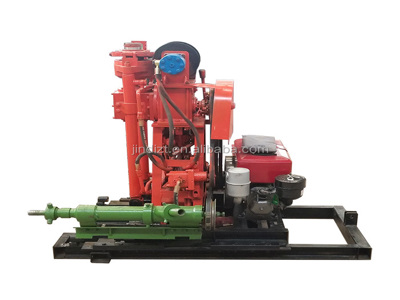
Буровое оборудование является одним из самых critical компонентов в геологоразведке. Оно используется для получения образцов горных пород и fluids из недр Земли. Существует несколько типов буровых установок, каждый из которых предназначен для specific условий и целей.
Innovations in drilling technology include the integration of real-time data monitoring, which allows operators to adjust drilling parameters on the fly based on subsurface conditions. This not only improves accuracy but also reduces the risk of equipment failure and environmental impact.
Геофизическое оборудование используется для indirect study of the subsurface through physical properties such as magnetism, gravity, electrical conductivity, and seismic waves. This non-invasive approach is cost-effective and provides broad coverage, making it ideal for initial exploration phases.
The advent of unmanned aerial vehicles (UAVs) or drones has transformed geophysical surveys. Drones equipped with geophysical sensors can access rugged terrain, collect data rapidly, and reduce human risk, making exploration safer and more efficient.
Once samples are collected through drilling or other means, laboratory equipment is used to analyze их composition and properties. This step is crucial for quantifying mineral resources and understanding their economic viability.
Automation and robotics in laboratories have increased throughput and accuracy. Automated sample preparation and analysis systems reduce human error and handle large volumes of samples, which is critical in large-scale exploration projects.
In the digital age, data processing equipment and software are as important as physical tools. They transform raw data into actionable insights through advanced algorithms and visualization.
The integration of IoT (Internet of Things) devices in exploration equipment enables real-time data streaming and remote monitoring. For example, sensors on drilling rigs can transmit data to central offices, allowing experts to make informed decisions without being on-site.
Investing in state-of-the-art geolогоразведочное оборудование offers numerous benefits that directly contribute to project success. These advantages span economic, operational, environmental, and safety aspects.
Modern equipment can significantly reduce exploration costs by improving efficiency and accuracy. For instance, advanced geophysical tools can narrow down target areas quickly, minimizing unnecessary drilling. This saves on operational expenses and shortens project timelines, leading to faster returns on investment.
Moreover, high-precision equipment increases the likelihood of discovering economically viable deposits. By providing detailed data, it reduces the risk of investing in unproductive sites. In the long run, this maximizes profitability and ensures sustainable resource management.
Equipment with automation and real-time capabilities enhances operational efficiency. Automated drilling rigs can operate continuously with minimal human intervention, increasing productivity. Similarly, data processing software accelerates analysis, allowing teams to make swift decisions.
Portable and modular equipment offers flexibility in deployment, especially in remote locations. This reduces logistics costs and enables exploration in previously inaccessible areas, expanding the potential for new discoveries.
Modern equipment is designed with environmental sustainability in mind. For example, low-impact drilling techniques and non-invasive geophysical methods minimize disturbance to ecosystems. Additionally, real-time monitoring helps prevent accidents, such as blowouts or spills, protecting both the environment and workers.
Safety features, such as automated shut-off systems and remote operation, reduce the exposure of personnel to hazardous conditions. This not only complies with regulations but also fosters a culture of safety within organizations.
Staying updated with the latest equipment ensures technological competitiveness. Companies that leverage innovations like AI and drones gain a edge over competitors by exploring more efficiently and discovering resources others might miss. This technological leadership can lead to partnerships, funding opportunities, and market leadership.
The field of geolогоразведка is continuously evolving, driven by technological advancements. Recent innovations are reshaping how exploration is conducted, making it more precise, efficient, and sustainable.
AI is revolutionizing exploration by analyzing vast amounts of data to identify patterns and predict mineral locations. Machine learning algorithms can process geological, geochemical, and geophysical data to generate exploration targets with high confidence. For example, companies like Goldspot Discoveries use AI to de-risk exploration projects, increasing success rates.
Big data analytics integrate information from multiple sources, such as satellite imagery, historical records, and real-time sensor data, providing a holistic view of potential deposits. This comprehensive approach reduces uncertainty and enhances decision-making.
Drones equipped with multispectral cameras, LiDAR, and geophysical sensors are becoming standard in exploration. They can survey large areas quickly and safely, capturing high-resolution data. Autonomous drones can operate in swarms, covering even more ground and providing 3D mapping capabilities.
In addition, autonomous drilling rigs and vehicles are being developed. These systems can operate in extreme conditions without human operators, reducing costs and risks. For instance, Rio Tinto has implemented autonomous drills in its mines, improving accuracy and productivity.
Sensors are becoming more sensitive and affordable, enabling detailed monitoring of subsurface conditions. IoT connectivity allows these sensors to communicate in real-time, creating a network of smart equipment. This enables predictive maintenance, where equipment can alert operators to potential failures before they occur, minimizing downtime.
Examples include smart drill bits that measure rock properties in real-time or environmental sensors that monitor air and water quality during operations, ensuring compliance with regulations.
Sustainability is a growing focus, with innovations aimed at reducing the environmental footprint of exploration. Electric and hybrid drilling rigs are emerging, powered by renewable energy sources. Additionally, equipment for carbon capture and storage (CCS) exploration is gaining traction, supporting the transition to a low-carbon economy.
Biotechnology is also being explored, such as using microbes to detect minerals or remediate sites, offering eco-friendly alternatives to traditional methods.
Selecting the right geolогоразведочное оборудование is crucial for project success. Here are some practical tips to guide your decisions.
Start by clearly defining the objectives of your exploration project. Consider factors like the type of mineral sought, depth of exploration, geological complexity, and budget. This will help narrow down the equipment options. For example, if you're exploring for deep-seated ore bodies, invest in high-capacity drilling rigs and advanced geophysical systems.
Look for equipment with the latest technologies, such as automation, real-time data capabilities, and compatibility with software systems. Check for reliability and durability, especially if operating in harsh environments. Read reviews, consult experts, and request demonstrations from suppliers.
Beyond the initial purchase price, factor in maintenance costs, training expenses, and potential downtime. Leasing or renting equipment might be a cost-effective option for short-term projects. Additionally, choose equipment from reputable manufacturers that offer good support and warranty services.
Ensure that new equipment integrates seamlessly with your existing systems. Provide comprehensive training for your team to maximize its use. Investing in skills development is as important as investing in hardware. Consider partnering with technology providers for ongoing support and updates.
Select equipment that can scale with your project's growth. Modular systems that allow for upgrades are ideal. Also, keep an eye on emerging trends and be prepared to adopt new technologies as they become available to maintain competitiveness.
To illustrate the impact of modern equipment, let's look at some real-world success stories.
A mining company in Western Australia used advanced electromagnetic systems and AI-driven data analysis to identify a new gold deposit that was missed by traditional methods. The equipment provided high-resolution data, reducing exploration time by 40% and increasing resource estimates by 25%. This led to a profitable mining operation that created jobs and boosted local economy.
An energy firm employed state-of-the-art seismic technology and autonomous underwater vehicles to explore deep-water areas. The equipment detected a significant oil reservoir, which was developed using automated drilling rigs. The project achieved first production ahead of schedule and under budget, demonstrating how technology can de-risk complex explorations.
Using portable XRF analyzers and drone-based surveys, a company rapidly assessed lithium brine deposits in salt flats. The equipment allowed for real-time analysis, enabling quick decision-making and securing investment for a large-scale project. This approach minimized environmental impact and set a benchmark for sustainable exploration.
Геологоразведочное оборудование является незаменимым инструментом в достижении успеха любых проектов по разведке и добыче полезных ископаемых. От буровых установок и геофизических приборов до передового программного обеспечения – каждое устройство играет vital role в повышении точности, efficiency и profitability. Инновации, такие как искусственный интеллект, дроны и IoT, продолжают transform отрасль, делая exploration более доступным и sustainable.
Инвестируя в современное оборудование и следуя best practices при его выборе и внедрении, компании могут значительно снизить риски, ускорить discovery и максимизировать returns. Whether you are a small explorer or a large corporation, the right equipment can be the key to unlocking the full potential of your projects. Embrace technology, stay ahead of trends, and let geolогоразведочное оборудование lead you to success.
В конечном счете, успех в геологоразведке depends не только на ресурсах, но и на tools, которые вы используете. Сделайте smart choice – invest in the best equipment, и ваши проекты будут flourish в competitive market.
Название компании:Shijiazhuang Jindi Drilling Machinery Co., Ltd. Адрес:-Lujiazhuang, Jinzhou, Hebei, China Контактные лица: Телефон:
