Глубокое бурение — это процесс, который позволяет достигать значительных глубин земной коры для добычи ценных ресурсов, таких как нефть, газ, вода или геотермальная энергия. В современном мире, с растущим спросом на энергоресурсы и необходимостью повышения эффективности, глубокое бурение стало ключевым элементом промышленности. Использование современного оборудования не только ускоряет процесс, но и минимизирует риски, обеспечивая безопасность и устойчивость операций. В этой статье мы подробно рассмотрим, как инновационные технологии и оборудование для глубокого бурения способствуют успешной добыче, и почему инвестиции в них окупаются многократно.
История бурения насчитывает века, но именно в последние десятилетия произошёл качественный скачок. Если раньше бурение на глубинах свыше 1000 метров считалось сложной задачей, то сегодня оборудование позволяет работать на глубинах до 10 000 метров и более. Это стало возможным благодаря развитию материаловедения, автоматизации и цифровых технологий. Современные буровые установки оснащены системами мониторинга в реальном времени, что позволяет операторам быстро реагировать на изменения условий и предотвращать аварии. Более того, глубокое бурение теперь включает в себя горизонтальное и многозабойное бурение, что значительно увеличивает продуктивность скважин.
Успешная добыча невозможна без надёжного оборудования. От буровых долот до насосных систем — каждый компонент играет vitalную роль. Современное оборудование проектируется с учётом экологических стандартов, что снижает воздействие на окружающую среду. Например, использование замкнутых систем циркуляции бурового раствора предотвращает загрязнение почвы и воды. Кроме того, автоматизация процессов减少了 необходимость в человеческом вмешательстве, что повышает безопасность и снижает операционные costs. В условиях жёсткой конкуренции на рынке энергоресурсов, компании, инвестирующие в передовое оборудование для глубокого бурения, получают значительное преимущество.
В этой статье мы углубимся в детали современного оборудования для глубокого бурения, обсудим его типы, преимущества, и как оно интегрируется в общую стратегию добычи. Мы также рассмотрим реальные примеры из промышленности, чтобы показать, как инновации приводят к увеличению объёмов добычи и снижению затрат. Whether вы являетесь профессионалом в области нефтегазовой промышленности или просто интересуетесь технологиями, эта статья предоставит вам comprehensive overview того, как глубокое бурение и современное оборудование работают hand in hand для достижения успеха.
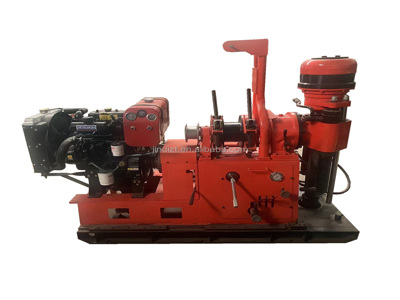
Современное оборудование для глубокого бурения включает широкий спектр устройств и систем, each designed для specific tasks. Основные категории включают буровые установки, буровые инструменты, системы циркуляции, и контрольное оборудование. Буровые установки бывают различных типов, such как rotary rigs, top-drive systems, и automated rigs. Rotary rigs являются традиционными и используют rotary table для вращения буровой колонны, в то время как top-drive systems предлагают greater flexibility и efficiency, позволяя бурить в сложных conditions. Automated rigs, оснащённые robotics и AI, represent the pinnacle of innovation, reducing human error и increasing precision.
Буровые инструменты, such как долота и бурильные трубы, также прошли significant evolution. Например, PDC (Polycrystalline Diamond Compact) долота обеспечивают higher rate of penetration и longer lifespan compared to traditional roller cone bits. These bits are made from synthetic diamonds, что делает их extremely durable и suitable for hard rock formations. Бурильные трубы теперь изготавливаются из high-strength steels и composites, которые withstand high pressures и temperatures encountered at great depths. Additionally, real-time data transmission systems allow engineers to monitor the condition of the tools and make adjustments on the fly.
Системы циркуляции, including mud pumps и solids control equipment, являются critical для поддержания stability скважины и удаления cuttings. Современные насосы capable of handling high flow rates и pressures, ensuring that the drilling fluid circulates effectively. Solids control equipment, such as shale shakers и centrifuges, remove solids from the mud, preventing blockages и maintaining fluid properties. This not only improves efficiency but also reduces environmental impact by minimizing waste. Furthermore, advanced filtration systems allow for the reuse of drilling mud, which cuts costs and supports sustainability.
Контрольное оборудование, such как MWD (Measurement While Drilling) и LWD (Logging While Drilling) tools, provides real-time data on parameters like pressure, temperature, and formation characteristics. This data is transmitted to surface operators via wireless technologies, enabling immediate decision-making. For instance, if a high-pressure zone is detected, operators can adjust the drilling parameters to avoid kicks or blowouts. Integration with cloud computing and big data analytics allows for predictive maintenance, where potential equipment failures are identified before they occur, thus avoiding downtime and saving money. In summary, modern drilling equipment is a synergistic combination of mechanical, electronic, and digital components that work together to achieve deep drilling goals efficiently and safely.
Использование современного оборудования в глубоком бурении offers numerous advantages that translate into successful extraction operations. One of the primary benefits is increased efficiency and speed. Advanced drilling rigs can penetrate rock formations faster due to improved power and control systems. For example, automated top-drive systems reduce the time required for connections and tripping, leading to shorter overall drilling times. This means that wells can be completed more quickly, allowing companies to bring resources to market faster and capitalize on favorable prices. In the oil and gas industry, where time is money, this efficiency directly impacts profitability.
Another significant advantage is enhanced safety. Deep drilling operations are inherently risky, with potential hazards such as high pressures, toxic gases, and mechanical failures. Modern equipment incorporates safety features like blowout preventers (BOPs), which are designed to seal the well in emergency situations. Additionally, real-time monitoring systems provide early warnings of abnormal conditions, allowing operators to take preventive measures. The reduction in human intervention through automation also minimizes exposure to dangerous environments, protecting workers' health and lives. Overall, investing in modern equipment not only improves operational outcomes but also fosters a culture of safety within the organization.
Cost reduction is a key driver for adopting modern drilling equipment. While the initial investment may be high, the long-term savings are substantial. For instance, durable drill bits and pipes last longer, reducing the frequency of replacements and associated downtime. Efficient circulation systems lower energy consumption and mud costs. Predictive maintenance enabled by IoT sensors helps avoid costly repairs and unplanned shutdowns. Moreover, the ability to drill more accurately reduces the number of dry holes or non-productive wells, maximizing the return on investment. In a competitive market, these cost efficiencies can make the difference between profit and loss for drilling companies.
Environmental benefits are increasingly important in today's world. Modern equipment is designed with sustainability in mind. Closed-loop systems for drilling fluids prevent contamination of groundwater and soil. Advanced waste management technologies ensure that cuttings and other byproducts are disposed of responsibly. Furthermore, precision drilling techniques minimize the surface footprint of operations, reducing land disturbance. Some equipment even incorporates renewable energy sources, such as solar-powered components, to lower carbon emissions. By aligning with global environmental standards, companies not only comply with regulations but also enhance their corporate image and attract environmentally conscious investors and partners.
In conclusion, the advantages of modern equipment in deep drilling are multifaceted, encompassing efficiency, safety, cost savings, and environmental stewardship. These benefits collectively contribute to successful extraction projects, making deep drilling a viable and profitable endeavor even in challenging conditions. As technology continues to evolve, we can expect even greater improvements, further solidifying the role of modern equipment in the future of resource extraction.
Инновационные технологии revolutionize deep drilling by introducing new capabilities and enhancing existing ones. One of the most prominent innovations is the use of artificial intelligence (AI) and machine learning. AI algorithms analyze vast amounts of data from sensors and historical records to optimize drilling parameters in real time. For example, they can predict the best weight on bit or rotary speed to maximize rate of penetration while minimizing wear on equipment. Machine learning models also help in identifying patterns that indicate potential problems, such as wellbore instability or equipment failure, allowing for proactive interventions.
Another groundbreaking technology is horizontal and directional drilling. Unlike traditional vertical drilling, these techniques allow wells to be drilled at angles or even horizontally, accessing reservoirs that were previously unreachable. This is particularly useful in shale formations, where hydraulic fracturing (fracking) is combined with horizontal drilling to extract oil and gas efficiently. Modern steerable systems use gyroscopes and accelerometers to guide the drill bit with precision, ensuring that the well path follows the desired trajectory. This not only increases the volume of extracted resources but also reduces the number of wells needed, minimizing environmental impact.
Advanced materials science has led to the development of equipment that can withstand extreme conditions. For instance, high-temperature alloys and ceramics are used in drill bits and components to operate in geothermal wells where temperatures can exceed 300°C. Similarly, corrosion-resistant coatings protect equipment from aggressive fluids encountered in deep formations. These material innovations extend the lifespan of equipment and reduce maintenance costs, making deep drilling more feasible in harsh environments.
Digital twins represent another innovative approach. A digital twin is a virtual replica of the drilling operation, created using real-time data. Operators can simulate different scenarios, test strategies, and optimize processes without risking actual equipment. This technology enhances decision-making and training, as it allows for practice in a safe, virtual environment. Additionally, Internet of Things (IoT) devices connect various pieces of equipment, enabling seamless communication and coordination. For example, sensors on drill pipes can relay information about pressure and temperature to central control systems, ensuring that all components work in harmony.
These innovative technologies are not just incremental improvements; they represent paradigm shifts in how deep drilling is conducted. By integrating AI, advanced materials, and digital tools, modern equipment becomes smarter, more resilient, and more efficient. This convergence of technologies is paving the way for even deeper drilling and more complex operations, such as those in ultra-deepwater or Arctic regions. As research and development continue, we can anticipate further breakthroughs that will push the boundaries of what is possible in resource extraction.
To illustrate the effectiveness of modern equipment in deep drilling, let's examine some real-world examples. One notable case is the Permian Basin in the United States, a major oil-producing region. Companies like ExxonMobil and Chevron have deployed automated drilling rigs equipped with AI-driven systems. These rigs have achieved drilling times reduced by up to 30% compared to traditional methods. For instance, in a project in West Texas, an automated rig drilled a 10,000-foot well in just 10 days, whereas it would have taken over two weeks with conventional equipment. This efficiency boost has contributed to the basin's record production levels, making it a global leader in oil output.
In the North Sea, offshore drilling operations face challenging conditions, including high waves and harsh weather. Equinor, a Norwegian energy company, has implemented modern subsea drilling systems with real-time monitoring and remote operation capabilities. Using advanced blowout preventers and MWD tools, they have successfully drilled wells at depths of over 5,000 meters without incidents. One specific project, the Johan Sverdrup field, utilized horizontal drilling technology to access multiple reservoir zones from a single platform. This approach increased recovery rates and reduced costs, demonstrating how modern equipment can turn difficult projects into success stories.
Another example comes from the geothermal energy sector in Iceland. Here, deep drilling is used to tap into geothermal resources for power generation. Companies like Iceland Drilling have adopted high-temperature drill bits and corrosion-resistant materials to operate in volcanic environments. In the Hellisheiði Power Station, drilling equipment capable of withstanding temperatures up to 400°C has enabled the extraction of steam from depths of 3,000 meters. This has not only provided a renewable energy source but also showcased the adaptability of modern equipment to diverse conditions.
In Russia, the Yamal Peninsula project involves drilling in permafrost conditions, which pose unique challenges such as ground instability and extreme cold. Gazprom, a leading energy company, has used insulated drilling pipes and heated systems to prevent freezing and ensure continuous operation. By incorporating digital twins and IoT sensors, they have optimized drilling parameters to maintain well integrity. This project has successfully extracted natural gas from depths exceeding 4,000 meters, highlighting how modern equipment can overcome environmental hurdles and contribute to energy security.
These examples underscore the tangible benefits of modern drilling equipment across different regions and applications. Whether onshore or offshore, in oil, gas, or geothermal contexts, the adoption of advanced technology leads to improved outcomes. Companies that embrace these innovations not only achieve operational excellence but also set new standards for the industry. As more success stories emerge, the case for investing in modern equipment becomes increasingly compelling, driving further adoption and development.
The future of deep drilling is shaped by emerging trends that promise to enhance capabilities and address current challenges. One significant trend is the integration of renewable energy into drilling operations. For example, solar and wind power are being used to supplement traditional energy sources, reducing the carbon footprint of drilling activities. Hybrid rigs that combine diesel generators with battery storage are already in use, offering greater energy efficiency and lower emissions. As the world moves towards sustainability, this trend will likely accelerate, making deep drilling more environmentally friendly.
Another emerging trend is the use of robotics and automation to an even greater extent. Fully autonomous drilling rigs, capable of operating with minimal human supervision, are under development. These rigs will use AI to make real-time decisions, from selecting drill bits to adjusting drilling parameters. This will not only improve efficiency but also reduce labor costs and enhance safety by removing workers from hazardous areas. Additionally, drones and unmanned vehicles are being deployed for inspection and maintenance tasks, providing a comprehensive view of operations without putting humans at risk.
Advanced data analytics and blockchain technology are also set to transform deep drilling. Big data analytics can process information from multiple sources to identify optimization opportunities and predict market trends. Blockchain can enhance transparency and security in supply chains, ensuring that equipment and materials are sourced ethically and efficiently. For instance, smart contracts could automate payments and logistics, reducing delays and costs. These digital innovations will create a more connected and intelligent drilling ecosystem.
Furthermore, the exploration of extreme environments, such as deep ocean floors or other planets, will drive the development of even more robust equipment. NASA and private companies are already researching drilling technologies for Mars, where conditions are vastly different from Earth. Lessons learned from these endeavors could be applied to terrestrial deep drilling, leading to breakthroughs in materials and techniques. This cross-pollination of ideas will push the boundaries of what is possible, opening up new frontiers for resource extraction.
In summary, the future of deep drilling is bright, with trends pointing towards greater automation, sustainability, and innovation. As technology evolves, we can expect equipment to become smarter, more efficient, and more adaptable. This will enable successful extraction in increasingly challenging conditions, ensuring a steady supply of resources for the growing global population. Companies that stay ahead of these trends will be well-positioned to lead the industry into the next era of deep drilling.
Investing in modern equipment for deep drilling is not just a choice; it is a necessity for success in today's competitive resource extraction industry. The benefits are clear: increased efficiency, enhanced safety, cost savings, and environmental benefits. As demonstrated through real-world examples, companies that adopt advanced technologies achieve higher production rates, reduce operational risks, and improve their bottom line. Moreover, with emerging trends like automation and sustainability, the value of modern equipment will only grow in the future.
For businesses involved in oil, gas, geothermal, or other extraction activities, the initial investment in modern equipment may seem daunting, but the long-term returns justify the cost. By reducing downtime, minimizing waste, and enabling precision drilling, this equipment pays for itself over time. Additionally, it helps companies comply with increasingly strict regulations and meet the expectations of stakeholders who prioritize sustainability and safety.
In conclusion, deep drilling with modern equipment is a cornerstone of successful extraction. Whether you are a small operator or a large corporation, embracing these innovations will position you for growth and resilience. As technology continues to advance, staying updated with the latest equipment will be key to maintaining a competitive edge. We encourage you to explore the possibilities and consider how modern drilling equipment can transform your operations for the better.
Thank you for reading this comprehensive overview. If you have any questions or would like to learn more about specific equipment options, feel free to reach out to experts in the field. The future of deep drilling is here, and it is powered by cutting-edge technology.
Название компании:Shijiazhuang Jindi Drilling Machinery Co., Ltd. Адрес:-Lujiazhuang, Jinzhou, Hebei, China Контактные лица: Телефон:
