
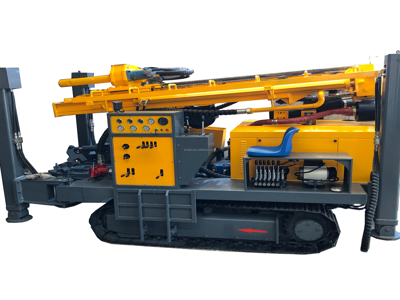
В современной нефтегазовой отрасли контроль скважин играет ключевую роль в обеспечении безопасности, эффективности и устойчивости добычи ресурсов. С развитием технологий оборудование для мониторинга скважин претерпело значительные изменения, превратившись из простых механических систем в сложные цифровые комплексы, интегрированные с искусственным интеллектом и интернетом вещей. В этой статье мы подробно рассмотрим, что представляет собой современное оборудование для контроля скважин, как оно работает, его основные компоненты, преимущества, вызовы и будущие тенденции. Эта тема особенно актуальна в условиях растущего спроса на энергию и необходимости минимизировать экологическое воздействие.
Контроль скважин – это процесс непрерывного наблюдения за параметрами скважины, такими как давление, температура, дебит жидкости и газа, а также механическое состояние обсадных колонн и оборудования. Основная цель – предотвратить аварии, такие как выбросы, обвалы или утечки, которые могут привести к человеческим жертвам, экологическим катастрофам и экономическим потерям. Исторически контроль осуществлялся вручную с помощью базовых инструментов, но сегодня он автоматизирован и основан на передовых технологиях.
Современное оборудование включает в себя датчики, системы сбора данных, программное обеспечение для анализа и удаленные мониторы. Оно позволяет операторам в реальном времени получать информацию о состоянии скважины, даже если она расположена в удаленных или труднодоступных регионах, таких как арктические зоны или глубоководные месторождения. Это не только повышает безопасность, но и оптимизирует производство, сокращая downtime и увеличивая recovery rates.
Современное оборудование для контроля скважин состоит из нескольких ключевых компонентов, каждый из которых выполняет специфическую функцию. Давайте разберем их подробно.
Датчики являются сердцем системы контроля. Они измеряют различные физические параметры скважины. Наиболее распространенные типы включают:
Эти датчики often оснащены беспроводными модулями для передачи данных, что eliminates the need for physical wiring and reduces installation costs.
После того как датчики собирают информацию, она передается в системы сбора данных. Это включает:
Например, в удаленных месторождениях спутниковая связь ensures that data is relayed even when terrestrial networks are unavailable. Это критически важно для оперативного реагирования на incidents.
Собранные данные бесполезны без анализа. Современное ПО включает:
Интеграция с cloud platforms позволяет масштабировать анализ и обеспечивать доступ multiple stakeholders, от field technicians to management teams.
Для complete control, equipment includes actuators that can physically adjust well parameters. Это включает:
These components work together to form a closed-loop system, where data informs actions, ensuring continuous optimization.
Принцип работы современного оборудования для контроля скважин основан на цикле сбора, передачи, анализа и действия. Рассмотрим этот процесс step-by-step.
Датчики, установленные в critical points скважины (e.g., at the wellhead, downhole, or along the flowline), continuously measure parameters like pressure, temperature, and flow rate. These sensors are designed to withstand extreme conditions, such as high pressures up to 20,000 psi, temperatures ranging from -40°C to 200°C, and corrosive environments. Data is sampled at high frequencies, often several times per second, to capture rapid changes.
For instance, in an oil well, a pressure sensor might detect a sudden increase indicating a kick (uncontrolled inflow of formation fluids), which is a precursor to a blowout. The sensor converts this physical change into an electrical signal, which is then digitized for processing.
Цифровые данные передаются через networks to a central hub. This can be done via wired connections in accessible areas, but wireless methods are preferred for flexibility. Technologies like IoT (Internet of Things) enable sensors to communicate directly with cloud servers using protocols such as MQTT or CoAP.
In remote locations, satellite transmitters ensure connectivity. Data is encrypted to prevent cybersecurity threats, as oil and gas infrastructure is often targeted by hackers. Transmission occurs in real-time, with latency as low as milliseconds for critical applications, allowing immediate awareness of issues.
В центральной системе, данные анализируются using software. SCADA systems aggregate information from multiple wells, providing a holistic view. Machine learning algorithms compare current data with historical patterns to identify anomalies. For example, if temperature readings deviate from normal ranges, the system might flag a potential equipment failure.
AI models can predict future events, such as estimating when a pump might fail based on vibration data, enabling preventive maintenance. This predictive capability reduces unplanned downtime and extends equipment life.
Based on analysis, the system can initiate automated responses. For instance, if pressure exceeds safe limits, control software sends commands to actuators to close valves or adjust pumps. Operators receive alerts via mobile apps or dashboards, allowing manual intervention if needed.
Feedback loops ensure that actions are monitored and adjusted. For example, after closing a valve, sensors continue to measure pressure to confirm the situation is under control. This creates a responsive and adaptive system.
Overall, this automated cycle enhances reliability and safety. In the past, human operators had to interpret data manually, which was slow and error-prone. Modern equipment eliminates much of this latency, enabling proactive management.
Внедрение современного оборудования для контроля скважин brings numerous benefits to the oil and gas industry.
Самое важное преимущество – enhanced safety. Real-time monitoring allows early detection of hazards like blowouts, leaks, or equipment failures. Automated shutdown systems can prevent disasters before they escalate, protecting lives and the environment. For example, during the Deepwater Horizon incident, better monitoring could have mitigated the catastrophe. Modern systems reduce reliance on human vigilance, which is prone to fatigue and error.
Optimization of production processes leads to higher efficiency. By continuously adjusting parameters based on data, equipment ensures that wells operate at peak performance. This maximizes recovery rates and minimizes energy consumption. Predictive maintenance reduces downtime by addressing issues before they cause failures, saving costs on repairs and lost production.
Хотя initial investment in modern equipment can be high, it pays off through operational savings. Reduced need for manual inspections lowers labor costs. Prevention of accidents avoids expensive clean-up and legal liabilities. Additionally, improved resource extraction increases revenue over the long term.
Better control minimizes environmental impact by preventing spills and reducing greenhouse gas emissions. For instance, monitoring methane leaks from gas wells helps companies comply with regulations and contribute to climate goals. This is increasingly important as society demands more sustainable practices from the energy sector.
With wireless and cloud-based systems, operators can monitor wells from anywhere, enabling management of multiple sites from a single location. This is particularly valuable for offshore or remote wells, where physical access is challenging. It also facilitates collaboration among teams, improving decision-making.
Несмотря на преимущества, внедрение современного оборудования сталкивается с challenges.
Advanced sensors and systems require significant capital investment. Small companies may struggle to afford them, leading to disparities in safety standards. However, costs are decreasing with technological advancements and economies of scale.
Integrating new equipment with legacy systems can be difficult. Older wells may not have the infrastructure for modern sensors, requiring retrofitting that is time-consuming and expensive. Compatibility issues between different manufacturers' devices can also arise.
As systems become more connected, they are vulnerable to cyber attacks. Hackers could manipulate data or take control of equipment, causing deliberate accidents. Robust encryption, regular updates, and cybersecurity protocols are essential to mitigate these risks.
Equipment must operate reliably in harsh environments, such as deepwater or arctic regions. Sensors can fail due to extreme pressures, temperatures, or corrosion, requiring durable designs and regular maintenance.
Operating and maintaining advanced systems requires skilled technicians and engineers. There is a shortage of such professionals in some regions, necessitating training programs and knowledge transfer.
Будущее оборудования для контроля скважин promising, with several emerging trends.
AI will become even more integral, enabling autonomous decision-making. For example, AI could optimize well parameters in real-time without human input, based on predictive models. This will further enhance efficiency and safety.
IoT will expand connectivity, with more sensors and devices networked together. This will allow for comprehensive monitoring of entire fields, not just individual wells. Edge computing will process data locally, reducing latency and bandwidth usage.
Robots and drones could be used for inspection and maintenance tasks in hazardous areas, reducing human risk. They can carry sensors to hard-to-reach spots, providing additional data points.
Focus on green technologies will drive development of equipment that minimizes environmental impact. For instance, sensors that detect emissions more accurately or systems that enable carbon capture and storage integration.
Efforts to standardize protocols and interfaces will make it easier to integrate equipment from different vendors, reducing costs and improving reliability.
Современное оборудование для контроля скважин представляет собой sophisticated blend of sensors, data systems, and software that revolutionizes the oil and gas industry. By enabling real-time monitoring, predictive analytics, and automated responses, it significantly enhances safety, efficiency, and sustainability. While challenges like cost and cybersecurity remain, ongoing innovations promise to address these issues. As the world continues to rely on fossil fuels while transitioning to cleaner energy, such technologies will play a crucial role in ensuring responsible resource extraction. Investing in and adopting modern control equipment is not just a technical necessity but a moral imperative for a safer and more efficient future.
В конечном счете, понимание и внедрение этих систем является ключом к успеху в нефтегазовой отрасли. С continued advancements, we can expect even greater integration of AI, IoT, and robotics, making well control more intelligent and autonomous than ever before.
Название компании:Shijiazhuang Jindi Drilling Machinery Co., Ltd. Адрес:-Lujiazhuang, Jinzhou, Hebei, China Контактные лица: Телефон:
