
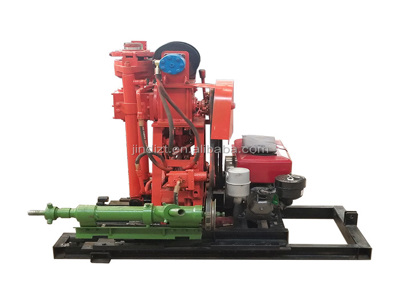
В современной нефтегазовой отрасли оптимизация параметров бурения играет решающую роль в обеспечении конкурентоспособности и устойчивого развития. С ростом спроса на энергоресурсы и ужесточением экологических норм компании вынуждены искать инновационные способы повышения эффективности буровых работ при одновременном сокращении затрат. Эта статья предоставляет всесторонний обзор методов оптимизации, основанных на передовых технологиях и анализе данных, и демонстрирует, как правильно настроенные параметры могут привести к значительным улучшениям в производительности и экономии.
Бурение скважин является одним из самых капиталоемких и сложных процессов в нефтегазовой промышленности. Затраты на бурение могут составлять до 50% от общих расходов на разработку месторождения, что подчеркивает необходимость оптимизации. Оптимизация параметров бурения включает в себя настройку таких факторов, как скорость проходки, давление бурового раствора, частота вращения долота и другие переменные, чтобы максимизировать эффективность и минимизировать риски. Исторически этот процесс основывался на эмпирическом опыте, но с развитием цифровых технологий и машинного обучения появились новые возможности для точной настройки.
Цель оптимизации — достижение оптимального баланса между скоростью бурения, износом оборудования и безопасностью. Например, увеличение скорости проходки может сократить время бурения, но если не контролировать properly, это может привести к premature износу долота или even авариям. Поэтому современные подходы интегрируют данные в реальном времени и predictive analytics для принятия обоснованных решений.
Основные параметры бурения, которые подлежат оптимизации, включают: скорость проходки (ROP), вес на долото (WOB), частота вращения (RPM), расход бурового раствора, и свойства бурового раствора. Каждый из этих параметров взаимодействует с геологическими условиями, и их оптимизация требует глубокого понимания физики процесса.
Скорость проходки (ROP) является perhaps самым важным показателем эффективности. Высокий ROP означает быстрое завершение скважины, что directly снижает затраты на аренду оборудования и labor. Однако, ROP зависит от множества факторов, таких как твердость породы, тип долота и гидравлические условия. Оптимизация ROP involves подбор оптимального WOB и RPM для данной formation. Исследования показывают, что использование adaptive control systems can increase ROP на 20-30% compared to traditional methods.
Вес на долото (WOB) влияет на penetration rate и износ долота. Слишком высокий WOB может cause excessive wear или даже поломку, mientras demasiado bajo reduce efficiency. Современные системы используют sensors и algorithms to dynamically adjust WOB based on real-time data, ensuring optimal performance without overloading.
Частота вращения (RPM) также critical; higher RPM can improve ROP in soft formations но increase vibration и heat в hard rocks. Оптимизация RPM требует учета типа долота и условий бурения. Например, PDC долота work best at specific RPM ranges, and deviation from this can lead to inefficiencies.
Расход бурового раствора и его properties are essential for hole cleaning, cooling, и pressure control. Недостаточный расход can lead to cuttings accumulation и stuck pipe, mientras excessive flow wastes energy и increases costs. Оптимизация involves calculating the minimum flow rate needed for effective cleaning based on wellbore geometry и cuttings characteristics.
Кроме того, свойства бурового раствора, такие как density, viscosity, и химический состав, must be tailored to the formation to prevent issues like lost circulation или formation damage. Advanced mud systems with real-time monitoring allow for continuous adjustment, reducing non-productive time (NPT) и improving overall efficiency.
Современная оптимизация параметров бурения heavily relies on digital technologies. IoT sensors, data analytics, и AI are transforming the industry. Real-time data acquisition systems collect information from downhole tools, surface equipment, и environmental sensors, providing a comprehensive view of the drilling process.
Машинное обучение algorithms can analyze historical and real-time data to identify patterns и predict optimal parameters. For example, neural networks can model the relationship between ROP, WOB, RPM, и formation type, suggesting adjustments to maximize efficiency. Case studies from major oil companies show that AI-driven optimization can reduce drilling time by up to 15% и decrease costs by 10-20%.
Another key technology is digital twins — virtual replicas of the drilling system that simulate scenarios in real-time. Operators can test different parameter sets in the digital twin before implementing them in the field, reducing risks и improving decision-making. This is particularly useful in complex environments like deepwater или unconventional reservoirs.
Additionally, automation systems are becoming commonplace. Automated drilling rigs can adjust parameters dynamically based on sensor inputs, minimizing human error и ensuring consistency. For instance, closed-loop control systems for WOB и RPM can maintain optimal settings even as conditions change, leading to smoother operations и reduced wear on equipment.
Cloud computing и big data platforms enable the storage and analysis of vast amounts of drilling data. Companies can leverage this for predictive maintenance, identifying potential failures before they occur, thus avoiding costly downtime. Tools like predictive analytics software can forecast equipment lifespan и recommend preventive actions.
Реальные примеры демонстрируют эффективность оптимизации параметров бурения. Например, в проекте на шельфе Норвегии, компания Equinor implemented a data-driven optimization program. By analyzing historical drilling data и using machine learning, они смогли увеличить ROP на 25% и сократить время бурения на 18%. Это привело к экономии в миллионы долларов и reduced environmental impact due to shorter operation times.
В другом случае, в сланцевых formationах США, компания использовала automated systems to optimize parameters for horizontal drilling. By fine-tuning WOB и RPM based on real-time formation evaluation, они achieved a 30% improvement in drilling efficiency и significantly lowered costs per foot. This was crucial in making marginal fields economically viable.
В России, на месторождениях Западной Сибири, внедрение digital technologies позволило оптимизировать буровые параметры для сложных геологических условий. Использование адаптивных algorithms помогло reduce NPT на 20% и improve overall project economics. These examples underline that optimization is not just a theoretical concept but a practical necessity for modern drilling operations.
Несмотря на прогресс, оптимизация параметров бурения сталкивается с challenges. Data quality и integration remain issues; incomplete или noisy data can lead to suboptimal decisions. Additionally, the high initial investment in technology can be a barrier for smaller companies.
Future trends include the increased use of AI и IoT, with more sophisticated algorithms for real-time optimization. The integration of renewable energy sources into drilling operations, such as using solar power for electric rigs, could further reduce costs и environmental impact. Moreover, as drilling moves into more extreme environments like Arctic или ultra-deepwater, optimization will become even more critical to manage risks.
Another emerging trend is the focus on sustainability. Optimizing parameters not only saves money but also reduces carbon footprint by minimizing energy consumption и waste. Companies are increasingly adopting green drilling practices, where parameter optimization plays a key role in achieving environmental goals.
В заключение, оптимизация параметров бурения является мощным инструментом для повышения эффективности и снижения затрат в нефтегазовой отрасли. Путем интеграции advanced technologies, таких как AI, data analytics, и automation, компании могут достичь значительных улучшений в производительности. Рекомендуется начинать с тщательного сбора и анализа данных, invest in modern tools, и foster a culture of continuous improvement. С правильным подходом, оптимизация может transform drilling operations, making them faster, cheaper, и более sustainable.
Для успешной реализации, companies should collaborate with technology providers, train personnel on new systems, и continuously monitor performance. The future of drilling lies in smart optimization, and those who embrace it will lead the industry into a new era of efficiency and cost-effectiveness.
Название компании:Shijiazhuang Jindi Drilling Machinery Co., Ltd. Адрес:-Lujiazhuang, Jinzhou, Hebei, China Контактные лица: Телефон:
