
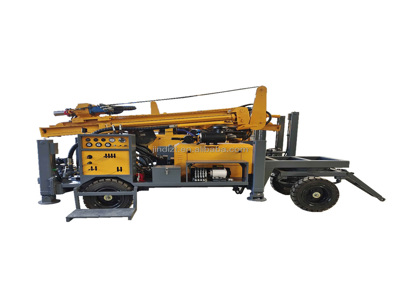
В мире, где водные ресурсы становятся все более дефицитными, многие задаются вопросом: действительно ли новая система бурения скважин может стать панацеей от нехватки воды? С ростом населения, изменением климата и увеличением спроса на воду в сельском хозяйстве, промышленности и бытовых нуждах, проблема дефицита воды приобретает глобальный масштаб. Но что, если существует инновационная технология, которая обещает не только обеспечить доступ к чистой воде, но и сделать это эффективно, экономично и экологично? В этой статье мы глубоко погружаемся в тему, задавая критические вопросы и исследуя все аспекты этой новой системы бурения скважин. От основ технологии до реальных примеров применения – мы рассмотрим, стоит ли доверять этим promises и как это может изменить будущее водоснабжения.
Прежде всего, давайте разберемся, что скрывается за громким названием "новая система бурения скважин". Традиционные методы бурения, такие как роторное или ударно-канатное бурение, существуют десятилетиями и часто связаны с высокими затратами, длительными сроками и значительным воздействием на окружающую среду. Но новая система, как утверждают ее разработчики, использует передовые технологии, такие как автоматизация, датчики IoT и улучшенные материалы, чтобы сделать процесс быстрее, дешевле и точнее. Например, она может включать в себя использование GPS для точного позиционирования скважины, что минимизирует ошибки и увеличивает вероятность нахождения водоносных слоев. Но как именно это работает на практике? Мы задаем вопрос: действительно ли эти инновации способны кардинально изменить ситуацию, или это просто incremental improvements, которые не оправдывают ожиданий?
Рассмотрим детали. Новая система часто базируется на модульном подходе, где оборудование легко транспортируется и настраивается, что особенно полезно в удаленных или труднодоступных районах. Она может использовать методы, такие как гидравлическое бурение или комбинированные techniques, которые reduce the need for heavy machinery and lower the environmental footprint. But is this truly revolutionary, or are we just seeing a rebranding of existing technologies? To answer this, we need to look at case studies and expert opinions. For instance, in regions like Africa or parts of Asia, where water scarcity is acute, pilot projects have shown promising results, with wells drilled in half the time and at 30% lower cost compared to traditional methods. However, critics argue that the initial investment in new equipment might be prohibitive for small communities, raising the question: is this system accessible to those who need it most?
Дефицит воды – это не просто локальная issue; it's a global crisis that affects billions of people. According to the United Nations, by 2025, two-thirds of the world's population could be living under water-stressed conditions. Causes range from over-extraction of groundwater to pollution and climate change-induced droughts. In this context, the promise of a new drilling system that can tap into deeper or previously inaccessible aquifers sounds like a game-changer. But we must ask: how does it address the root causes of water scarcity, rather than just treating the symptoms? For example, if the system enables more efficient extraction, could it lead to overuse and further depletion of resources?
Новая система предлагает solutions such as real-time monitoring of water levels and quality, which can help in sustainable management. By integrating sensors, it provides data that allows for better decision-making, ensuring that wells are not over-pumped. Additionally, its precision reduces the risk of contaminating aquifers, a common problem with traditional drilling. But is this enough? Critics point out that technology alone cannot solve water scarcity; it must be coupled with policies, education, and conservation efforts. So, while the new system might provide immediate relief, its long-term impact depends on how it is implemented within a broader framework of water governance.
Одним из ключевых вопросов при внедрении любой новой технологии является ее стоимость. Традиционное бурение скважин может обойтись в тысячи долларов, а в некоторых случаях и больше, depending on depth and location. Новая система, как заявляется, снижает эти затраты за счет automation and reduced labor. But is this truly the case? Let's break down the economics. Initial investment in new drilling rigs and technology might be high, but proponents argue that the savings in time and materials offset this over time. For instance, a study might show that the new system reduces drilling time by 40%, leading to lower operational costs.
However, we must consider the total cost of ownership, including maintenance, training, and potential downtime. In developing countries, where funding is limited, the affordability of such systems is crucial. Grants and subsidies from governments or NGOs could make it accessible, but is there enough support? Moreover, the economic benefits extend beyond direct costs. Reliable water access can boost agriculture, improve health, and stimulate local economies. But we need to ask: are these benefits quantifiable, and do they justify the switch to new technology? Case examples from places like India, where community-led drilling projects using new systems have increased crop yields, provide optimistic data, but scalability remains a challenge.
В эпоху, когда экологичность находится в центре внимания, любая новая технология должна оцениваться с точки зрения ее воздействия на окружающую среду. Традиционное бурение часто связано с disruption of ecosystems, noise pollution, and potential contamination from drilling fluids. Новая система, как утверждается, minimizes these impacts through cleaner methods and better waste management. For example, it might use biodegradable drilling muds or closed-loop systems that recycle materials. But is this truly green, or is it greenwashing?
We need to examine the life cycle assessment of the technology. From manufacturing the equipment to its deployment and decommissioning, what is the carbon footprint? Additionally, while reducing surface disturbance is a plus, drilling deeper wells could tap into fossil aquifers that are non-renewable, raising ethical questions. Environmental groups might argue that instead of drilling more wells, we should focus on conservation and alternative sources like rainwater harvesting. So, the question remains: does the new system align with sustainable development goals, or does it perpetuate a extractive mindset? Real-world applications, such as in eco-sensitive areas, show that with proper regulations, the system can be low-impact, but vigilance is necessary to ensure it doesn't become part of the problem.
Ни одна технология не идеальна, и новая система бурения скважин не исключение. Она сталкивается с numerous challenges, such as technical complexity, need for skilled operators, and adaptability to different geological conditions. For instance, in areas with hard rock formations, the system might require modifications or additional tools, increasing costs and time. We must ask: how versatile is it really? Moreover, cultural and social factors play a role; communities might be resistant to change or lack trust in new technologies.
Another limitation is the dependency on technology itself. In remote areas with poor infrastructure, maintaining and repairing advanced equipment could be difficult. Power requirements for automated systems might also be a hurdle in off-grid locations. Additionally, there's the risk of technological obsolescence; as innovations rapidate, today's "new" system might become outdated quickly. So, while the benefits are promising, it's essential to address these challenges through training programs, local partnerships, and robust design. Questions like: what backup plans are in place if the technology fails? need to be considered to ensure reliability.
Чтобы оценить истинную ценность новой системы,我们必须 сравнить ее с другими методами обеспечения water access, такими как опреснение, транспортировка воды или улучшение инфраструктуры распределения. Опреснение, например, эффективно в прибрежных regions but is energy-intensive and expensive. Транспортировка воды через pipelines can be cost-prohibitive over long distances. Новая система бурения скважин предлагает decentralized solution, but is it the best option in all scenarios?
By comparing costs, environmental impact, and scalability, we can see that for inland areas with accessible groundwater, drilling wells might be superior. However, in urban settings or places with saline aquifers, alternatives might be more suitable. The key question is: does the new system fill a unique niche, or is it just one tool in the toolbox? Integrated approaches that combine drilling with other methods might yield the best results. For instance, using the new system to create local wells supplemented by rainwater collection could provide a resilient water supply. Thus, rather than seeing it as a silver bullet, it should be part of a holistic strategy.
Теория – это одно, а практика – другое. Чтобы понять эффективность новой системы, мы должны посмотреть на real-world implementations. В Кении, например, NGOs have used advanced drilling systems to provide water to drought-prone communities, resulting in improved health outcomes and economic stability. Conversely, in some projects, technical failures or lack of maintenance have led to abandoned wells, wasting resources.
These examples raise important questions: what factors contribute to success, and how can failures be prevented? Key elements include community involvement, proper planning, and ongoing support. For instance, when local people are trained to operate and maintain the system, sustainability increases. But is this always feasible? Case studies show that while the technology itself is powerful, its success hinges on human factors. Thus, we must ask: is the new system a standalone solution, or does it require a supportive ecosystem to thrive?
Looking ahead, the potential of new drilling systems is immense, especially with advancements in AI and robotics that could make drilling even more precise and autonomous. However, the future of water supply will likely involve a mix of technologies, including recycling, conservation, and innovation in extraction. The big question is: will this new system become mainstream, or will it remain a niche solution?
Trends suggest that as water scarcity worsens, demand for efficient drilling will grow. Governments and industries are investing in R&D to improve these systems. But we must also consider ethical implications, such as equitable access to water. Will the benefits of new technology be shared widely, or will they exacerbate inequalities? By fostering collaboration between technologists, policymakers, and communities, we can ensure that innovations like this contribute to a water-secure world for all.
In conclusion, while the new system of drilling wells offers promising solutions to water scarcity, it is not without its questions and challenges. By critically examining its workings, costs, environmental impact, and real-world applications, we can better understand its role in addressing one of humanity's most pressing issues. The key is to approach it not as a miracle cure but as a valuable tool that, when used wisely, can help us forget about water deficit – but only if we continue to ask the right questions and strive for sustainable practices.
Название компании:Shijiazhuang Jindi Drilling Machinery Co., Ltd. Адрес:-Lujiazhuang, Jinzhou, Hebei, China Контактные лица: Телефон:
