
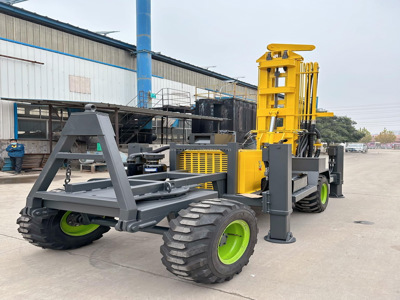
В современном мире промышленность сталкивается с множеством вызовов: растущие экологические нормы, необходимость повышения эффективности и снижения операционных затрат. Одним из ключевых аспектов, влияющих на эти факторы, является управление отходами и очистка грязи. Традиционные методы часто оказываются неэффективными, дорогостоящими и вредными для окружающей среды. Однако с появлением инновационных систем очистки грязи всё меняется. Эта статья подробно расскажет о том, как современная технология может революционизировать вашу отрасль, обеспечивая беспрецедентные преимущества.
Грязь и отходы являются неотъемлемой частью многих промышленных процессов, от manufacturing и горнодобывающей промышленности до сельского хозяйства и строительства. Накопление грязи может привести к серьезным проблемам: снижению производительности оборудования, увеличению риска аварий, загрязнению окружающей среды и высоким затратам на утилизацию. Например, в металлургической промышленности шлак и другие отходы требуют регулярной очистки, что часто involves ручной труд и использование устаревшего оборудования. Это не только inefficient, но и опасно для workers.
Традиционные методы очистки, такие как механическая уборка или химическая обработка, имеют существенные недостатки. Они могут быть медленными, потреблять много энергии и resources, а также generate дополнительные waste. Более того, с ужесточением экологического законодательства во многих странах, companies вынуждены искать более sustainable solutions. Вот где на помощь приходит современная система очистки грязи – инновационная technology, designed to address these challenges head-on.
Современная система очистки грязи – это комплексное решение, которое объединяет advanced technologies, such как automation, IoT (Internet of Things), и eco-friendly materials, для efficient удаления и управления отходами. Unlike traditional methods, эти системы are highly automated, reducing the need for human intervention and minimizing errors. Они используют sensors и AI (искусственный интеллект) для мониторинга conditions в real-time, allowing for proactive maintenance and optimization.
Key components такой системы включают: высокоэффективные фильтры, роботизированные arms для очистки, системы recycling воды и отходов,以及 программное обеспечение для управления и анализа данных. Например, в системе может использоваться nanotechnology для capture мельчайших particles грязи, ensuring that even the most stubborn contaminants are removed. Это not only improves cleanliness but also enhances the overall efficiency of industrial operations.
Преимущества таких систем многочисленны. Они significantly reduce operational costs by lowering energy consumption and minimizing waste disposal expenses. Additionally, они contribute to a safer work environment by reducing exposure to hazardous materials and automating dangerous tasks. From an environmental perspective, modern systems are designed to be sustainable, often incorporating circular economy principles where waste is recycled and reused, rather than discarded.
Чтобы понять, как modern система очистки грязи functions, рассмотрим пример из manufacturing сектора. Представьте automotive завод, где production line generates大量 metal shavings, oil, и других contaminants. Traditional cleaning might involve shutdowns для manual cleaning, leading to downtime and lost productivity. With a modern system, sensors continuously monitor the accumulation of dirt, and automated robots are deployed to clean the area without interrupting operations.
The process begins with data collection: IoT sensors detect levels of contamination and send alerts to a central control system. AI algorithms analyze this data to predict when and where cleaning is needed, optimizing schedules for maximum efficiency. Robotic cleaners, equipped with advanced brushes and suction mechanisms, then move into action, removing dirt and transporting it to a processing unit. Here, waste is separated: recyclable materials are recovered, while non-recyclables are treated for safe disposal.
Water usage is another critical aspect. Many modern systems incorporate closed-loop water recycling, where water used for cleaning is purified and reused, reducing consumption and minimizing environmental impact. For instance, in the food processing industry, such systems ensure that water meets hygiene standards while conserving resources. This not only saves money but also aligns with corporate social responsibility goals.
Современная система очистки грязи offers tailored benefits for different industries. In construction, it can handle dust and debris from sites, improving air quality and compliance with health regulations. In agriculture, it manages waste from livestock and crops, enhancing sustainability. The oil and gas sector benefits from efficient cleaning of pipelines and equipment, reducing corrosion and extending asset life.
Case studies highlight these advantages. A major mining company implemented a modern cleaning system and saw a 30% reduction in downtime and a 20% decrease in energy costs. Similarly, a pharmaceutical manufacturer reported improved product quality and compliance with strict cleanliness standards. These examples demonstrate the transformative potential of this technology.
Investing in a modern cleaning system is not just about operational improvements; it's also a smart financial decision. The initial cost may be higher than traditional methods, but the long-term savings are substantial. Reduced maintenance costs, lower energy bills, and decreased waste disposal fees contribute to a rapid return on investment. Moreover, companies can avoid fines for non-compliance with environmental regulations, further enhancing profitability.
From an environmental standpoint, these systems help reduce carbon footprints by minimizing waste and energy use. They support sustainability initiatives, such as zero-waste goals, and improve corporate image. Consumers and investors increasingly prefer companies that prioritize eco-friendly practices, making this technology a valuable asset for brand reputation.
The future of dirt cleaning systems is bright, with ongoing advancements in AI, robotics, and materials science. We can expect even greater automation, with systems that self-diagnose and repair, further reducing human involvement. Integration with smart cities and industries will enable seamless data exchange and optimization on a larger scale.
Emerging trends include the use of biodegradable cleaning agents and energy-harvesting technologies that power systems using renewable sources. As global challenges like climate change intensify, the role of innovative cleaning solutions will become increasingly critical. Companies that adopt these technologies early will gain a competitive edge, positioning themselves as leaders in sustainability and efficiency.
В заключение, современная система очистки грязи представляет собой groundbreaking innovation that can forever change your industry. By embracing this technology, you can achieve higher efficiency, reduce costs, enhance safety, and contribute to a greener planet. Don't get left behind – explore how these systems can be integrated into your operations today and witness the transformation firsthand. The future of industrial cleaning is here, and it's smarter, cleaner, and more sustainable than ever before.
Для получения дополнительной информации или to schedule a demonstration, contact our experts. Together, we can build a cleaner, more efficient future for your business.
Название компании:Shijiazhuang Jindi Drilling Machinery Co., Ltd. Адрес:-Lujiazhuang, Jinzhou, Hebei, China Контактные лица: Телефон:
