
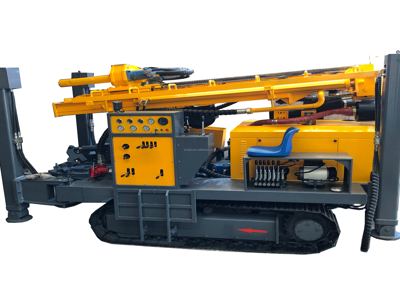
Направленное бурение — это передовая технология в нефтегазовой отрасли, позволяющая контролировать траекторию скважины в реальном времени для достижения целевых зон с высокой точностью. Современные инструменты направленного бурения, такие как системы измерения во время бурения (MWD), каротаж во время бурения (LWD), и роторные управляемые системы (RSS), революционизировали процесс добычи, обеспечивая эффективность, безопасность и снижение затрат. В этой статье мы подробно рассмотрим эти инструменты, их принципы работы, преимущества и будущие тенденции.
Исторически, бурение скважин было прямолинейным и ограниченным, но с развитием технологий направленное бурение стало ключевым элементом для доступа к труднодоступным месторождениям, таким как морские шельфы или сложные геологические формации. Использование современных инструментов позволяет избежать рисков, связанных с традиционными методами, и максимизировать извлечение ресурсов.
Современные системы направленного бурения состоят из нескольких ключевых компонентов: датчики, системы передачи данных, управляющие механизмы и программное обеспечение для анализа. Датчики, установленные в буровом инструменте, измеряют параметры, такие как угол наклона, азимут и температура, в реальном времени. Эти данные передаются на поверхность через системы MWD, где операторы могут корректировать траекторию бурения.
Системы LWD расширяют возможности MWD, предоставляя дополнительную информацию о свойствах горных пород, что позволяет принимать informed решения о продолжении бурения. Управляющие механизмы, включая забойные двигатели (PDM) и роторные управляемые системы, обеспечивают физическое изменение направления скважины без необходимости извлечения буровой колонны.
Программное обеспечение играет crucial роль в интеграции данных и моделировании траекторий, позволяя прогнозировать поведение скважины и оптимизировать процесс. Вместе эти компоненты образуют комплексную систему, которая делает направленное бурение highly efficient and precise.
Технологии измерения во время бурения (MWD) и каротажа во время бурения (LWD) являются фундаментальными для современных инструментов направленного бурения. MWD системы focus на сборе данных о положении и ориентации бурового инструмента, используя акселерометры, магнитометры и гироскопы. Эти данные передаются на поверхность через импульсные или электромагнитные сигналы, обеспечивая оперативную feedback для корректировки траектории.
LWD системы дополняют MWD, предоставляя детальную информацию о геологических formation, такую как пористость, permeability и насыщенность fluidами. Это достигается с помощью sensors, измеряющих электрические, acoustic и nuclear свойства пород. Комбинация MWD и LWD позволяет not only контролировать direction, но и оценивать потенциал reservoir, reducing the need for additional logging runs and saving time and costs.
Преимущества этих технологий include increased accuracy in well placement, enhanced safety by avoiding hazards like faults or unstable zones, and improved recovery rates. For example, in offshore drilling, MWD/LWD systems enable precise targeting of oil reservoirs under thousands of meters of water, minimizing environmental impact and maximizing economic returns.
Забойные двигатели (Positive Displacement Motors, PDM) являются essential инструментами в направленном бурении, providing the mechanical force to rotate the bit without rotating the entire drill string. PDM work on the principle of hydraulic power, where drilling fluid pumped from the surface drives a rotor inside the motor, generating torque at the bit. This allows for controlled deviation of the wellbore by orienting the motor housing.
Современные PDM оснащены advanced features, such as adjustable bent housings and high-torque designs, which enhance their ability to navigate complex trajectories. They are particularly useful in applications where precise control is needed, such as drilling horizontal wells or avoiding obstacles. The integration of PDM with MWD systems enables real-time adjustments, making the drilling process more dynamic and responsive.
Despite their advantages, PDM have limitations, including wear and tear due to abrasive drilling fluids and potential for stuck pipe incidents. However, ongoing innovations in materials and design are addressing these challenges, improving reliability and lifespan. In comparison to other methods, PDM offer a cost-effective solution for many directional drilling operations.
Роторные управляемые системы (Rotary Steerable Systems, RSS) represent a significant advancement over traditional PDM, allowing continuous rotation of the drill string while steering the wellbore. RSS use hydraulic or mechanical mechanisms to apply side forces to the bit, enabling smoother and faster drilling with improved wellbore quality. This technology eliminates the need for slide drilling, which is common with PDM and can be time-consuming.
Key benefits of RSS include higher rate of penetration (ROP), better hole cleaning, and reduced risk of wellbore instability. They are ideal for extended-reach drilling and complex well designs, such as multilateral wells. Modern RSS are often integrated with MWD/LWD systems, providing a seamless flow of data and control, which enhances decision-making and efficiency.
The adoption of RSS has grown rapidly in the industry due to their ability to reduce non-productive time and increase overall drilling performance. However, they are more expensive than PDM and require specialized expertise for operation and maintenance. Future developments in RSS focus on automation and smart technologies to further optimize their performance.
Геонавигация — это процесс использования geological and geophysical data to guide the drilling process in real-time, ensuring that the wellbore reaches the target zone accurately. It relies heavily on data from MWD/LWD systems, as well as pre-drill models and seismic surveys. By comparing actual drilling data with predictions, geonavigators can make adjustments to avoid geological hazards and maximize reservoir contact.
Современное программное обеспечение для моделирования траекторий, такое как Petrel или DecisionSpace, позволяет создавать detailed 3D models of the subsurface, simulating various drilling scenarios. These tools incorporate uncertainty analysis and optimization algorithms to recommend the best path for the well. The integration of artificial intelligence and machine learning is further enhancing geonavigation by providing predictive insights and automating decision processes.
Эффективная геонавигация critical for successful directional drilling, as it reduces the risk of missing the target or encountering problems like wellbore collapse. Case studies from major oil fields demonstrate that advanced geonavigation can improve recovery rates by up to 20%, highlighting its value in the industry.
Современные инструменты направленного бурения offer numerous advantages, including increased access to reserves, reduced environmental footprint, and lower operational costs. By enabling drilling of multiple wells from a single location, they minimize surface disturbance and make it possible to tap into remote or environmentally sensitive areas. Additionally, the precision of these tools reduces the number of dry holes and enhances overall production efficiency.
Однако существуют и вызовы, такие как высокая initial cost of equipment, need for skilled personnel, and technical complexities like data transmission issues in deep wells. Environmental concerns, such as the risk of spills or groundwater contamination, also require careful management. The industry is addressing these challenges through continuous innovation, training programs, and stricter regulations.
Despite these hurdles, the benefits far outweigh the drawbacks, and the adoption of modern directional drilling tools is expected to grow, driven by the demand for energy and advancements in technology.
Будущее направленного бурения lies in further automation, digitalization, and the integration of emerging technologies. Trends such as the Internet of Things (IoT) enable real-time monitoring and control of drilling operations from remote locations, improving safety and efficiency. Autonomous drilling systems, powered by AI, are being developed to make decisions without human intervention, potentially revolutionizing the industry.
Innovations in materials science are leading to more durable and efficient tools, such as diamond-enhanced bits and smart sensors that can self-diagnose issues. Additionally, the use of renewable energy sources for drilling operations is gaining traction, aligning with global sustainability goals. Research in nanotechnol ogy and biotechnology may also open new possibilities for enhanced oil recovery and reduced environmental impact.
Overall, the future of directional drilling is bright, with continuous improvements aimed at making the process faster, cheaper, and greener. As the world moves towards energy transition, these tools will play a key role in ensuring responsible resource extraction.
В заключение, современные инструменты направленного бурения, включая MWD, LWD, PDM, и RSS, transformовали нефтегазовую отрасль, предоставляя беспрецедентный контроль и эффективность. Эти технологии позволяют достигать previously inaccessible reserves, reduce costs, and minimize environmental impact. По мере развития инноваций, such as AI and automation, будущее направленного бурения looks promising, with potential for even greater advances. Важно for companies to invest in these tools and training to stay competitive in the evolving energy landscape.
Направленное бурение продолжит играть vital role in meeting global energy demands while promoting sustainability. By embracing these modern instruments, the industry can ensure a brighter and more efficient future.
Эта статья предоставляет comprehensive overview современных инструментов направленного бурения. Для более detailed информации, обратитесь к специализированной литературе или consult industry experts.
Название компании:Shijiazhuang Jindi Drilling Machinery Co., Ltd. Адрес:-Lujiazhuang, Jinzhou, Hebei, China Контактные лица: Телефон:
